
0%

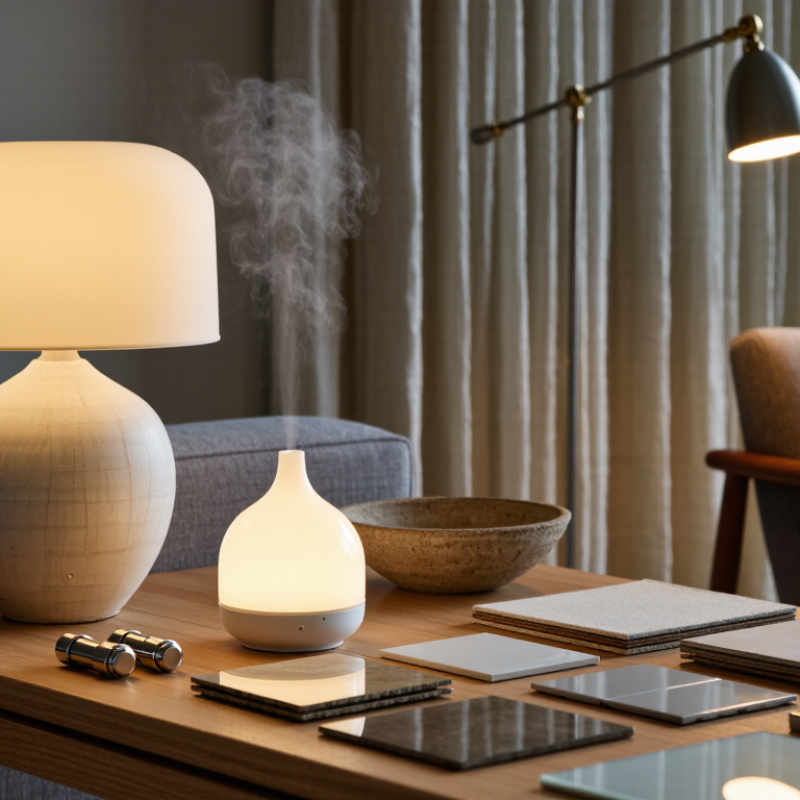
Home ambiance is built through small, tangible choices: a warm pool of light, a quiet diffuser, or a ceramic lamp that feels balanced on a bedside table. In 2026, leading manufacturers must do more than make attractive products. They need dependable materials, consistent finishing, thoughtful controls, and designs that work in real homes. That is the promise—and sometimes the gap.

Architect Peter Zumthor, an influential voice on designed atmosphere, writes, “I enter a building, see a room, and—in the fraction of a second—have this feeling about it.” His observation helps explain why Home Ambiance Product Manufacturing is not merely about producing objects. It is about shaping how light, texture, scent, and sound meet in everyday spaces. This guide examines manufacturers through practical signals: product range, material choices, customization, quality control, and evidence of reliable delivery. A polished catalog is useful, but it cannot tell the whole story. Ask how finishes hold up, how components are sourced, and whether samples match production orders. Small questions matter.

The companies featured here serve different buyers, from retailers seeking scalable collections to brands developing distinctive designs. No single manufacturer suits every project. Some details may remain unclear until samples arrive; that is worth acknowledging. A careful shortlist can still save time, reduce avoidable surprises, and reveal which partner fits your product goals.

2026 Top Home Ambiance Product Manufacturers?

What Home Ambiance Manufacturers Make and How They Serve Consumers

Home ambiance manufacturers create products that shape how a room feels, sounds, and functions. Their ranges may include table lamps, dimmable fixtures, scented diffusers, candles, soft throws, decorative cushions, and compact sound systems. Each product serves a practical need while influencing comfort. A warm lamp can soften a workspace after sunset. A textured throw can make a reading chair feel more inviting.

Reliable manufacturers focus on material quality, safe operation, and consistent performance. They test heat levels, electrical components, fragrance containers, fabric durability, and packaging strength. Many also offer adjustable brightness, refillable scent systems, and recyclable materials. These details help consumers choose products for bedrooms, living rooms, hospitality spaces, or small apartments. Clear instructions matter too. Consumers should know cleaning requirements, operating limits, and expected product life before purchasing.

Consumer service extends beyond the factory. Manufacturers may provide installation guidance, replacement parts, responsive support, and practical warranty terms. Good design also considers different lifestyles, including limited space and sensitivity to strong fragrances. However, some products still prioritize appearance over repairability. That deserves more attention. A beautiful lamp becomes less valuable when its components cannot be replaced. Manufacturers that collect customer feedback can improve future designs, reduce waste, and build greater trust through measurable, transparent improvements.

2026 Top Home Ambiance Product Manufacturers? - What Home Ambiance Manufacturers Make and How They Serve Consumers

Manufacturer Category Typical Products What They Make How They Serve Consumers Common Buying Considerations
Decorative lighting manufacturers Table lamps, floor lamps, pendant lights, wall lights, and LED fixtures Fixtures and lighting components designed to provide ambient, task, or accent lighting. Offer product specifications, installation guidance, replacement parts, and warranties through retailers or direct sales. Brightness, color temperature, dimmer compatibility, energy use, safety certification, and installation requirements.
Home fragrance manufacturers Candles, reed diffusers, room sprays, wax melts, and fragrance oils Scented consumer goods made with combinations of waxes, fragrance ingredients, carrier liquids, and packaging. Provide scent descriptions, safe-use directions, ingredient or allergen information where applicable, and care instructions. Scent preference, room size, burn time or refill availability, ventilation, and safe placement around children or pets.
Air-care appliance manufacturers Humidifiers, air purifiers, aroma diffusers, and ventilation accessories Electrical appliances that circulate, filter, humidify, or disperse moisture or fragrance into indoor spaces. Supply operating manuals, filter or wick replacements, maintenance advice, and troubleshooting support. Room coverage, noise, cleaning needs, consumable costs, energy use, and clearly stated performance claims.
Home textiles manufacturers Curtains, rugs, throws, cushions, and bedding Fabric and textile products that influence a room’s color, texture, light control, and acoustic feel. Provide size charts, material details, care labels, customization options, and guidance on measuring or coordinating products. Fiber content, dimensions, cleaning method, color variation, durability, and suitability for the intended room.
Decorative accessory manufacturers Vases, mirrors, wall décor, candle holders, and tabletop accessories Objects made from materials such as glass, ceramic, metal, wood, or molded composites to complement interior spaces. Use product imagery, measurements, material descriptions, packaging, and return policies to help shoppers assess fit and finish. Dimensions, weight, material, mounting method, fragility, and whether an item is intended for indoor or outdoor use.
Smart-home ambiance manufacturers Smart bulbs, connected switches, lighting controllers, and sensors Connected lighting hardware and control software that can adjust brightness, color settings, or schedules. Provide setup instructions, compatibility information, app support, firmware updates, and customer assistance. Network requirements, supported platforms, privacy practices, interoperability, and continued software support.
Outdoor ambiance manufacturers Patio lights, lanterns, outdoor candles, and weather-resistant décor Products intended to create decorative lighting or visual atmosphere in gardens, balconies, and other outdoor areas. Explain suitable placement, power options, weather limitations, maintenance, and installation requirements. Outdoor-use rating, exposure to rain or sunlight, power source, corrosion resistance, and safe installation.

Note: Product ranges and support services vary by manufacturer and market. Check current product specifications, safety information, and warranty terms before purchasing.

Which Product Categories Shape the Home Ambiance Market in 2026

2026 Top Home Ambiance Product Manufacturers?

Home ambiance is moving beyond furniture and decoration. Smart lighting will shape the market through adjustable color, dimming, and occupancy sensing. Grand View Research projects strong growth for smart lighting through 2030, driven by connected controls and energy efficiency. These systems can turn a cool kitchen into a warm evening space within seconds. Yet, many products still create confusing apps and inconsistent settings.

Indoor air quality is another major category. Air purifiers, humidity controllers, and quiet ventilation devices support comfort without demanding attention. MarketsandMarkets forecasts continued expansion in the air purifier market through 2028, especially in urban households. Scent devices and acoustic panels also matter. A soft fragrance near the entryway can change the first impression. Better sound absorption can make a small living room feel calmer. Small details matter.

Connected furniture, adaptive window coverings, and ambient displays will add further value. The International Energy Agency reports that buildings represent about 30% of global final energy demand, making efficient controls increasingly important. However, convenience should not replace human judgment. Automation may dim lights at the wrong moment or overcorrect room temperature. Manufacturers that combine reliable sensors, simple controls, durable materials, and transparent energy data will be better positioned in 2026. The market still needs fewer gimmicks and more dependable daily experiences.

How to Compare Manufacturers by Quality, Design, Safety, and Sustainability

When comparing 2026 home ambiance product manufacturers, inspect evidence, not polished images. Quality means stable color temperature, low flicker, accurate brightness, and materials that resist heat. The U.S. Department of Energy reports that LED lighting uses at least 75% less energy and can last up to 25 times longer than incandescent lighting. Ask for test reports, rated lifespan, warranty terms, and repair instructions. A beautiful diffuser or lamp still fails if its finish peels after six months.

Safety requires more than a compliance logo. Check testing against relevant IEC standards, including IEC 60598 for luminaires and IEC 62471 for photobiological safety. For connected products, review software support and data protection practices. Design should fit real rooms: warm light around 2700K, quiet motors, stable bases, and controls that remain usable in darkness. Some manufacturers overlook everyday handling. That matters.

Tips: Request an environmental product declaration, recycled-content evidence, and packaging weights. The 2023 UNEP Global Status Report says buildings consume about 34% of global energy and produce roughly 37% of energy-related emissions. Choose efficient products, but question vague sustainability claims. Look for lifecycle data, replaceable parts, and responsible end-of-life guidance. No scorecard is perfect. I would still test the product beside a window, on a shelf, and after several hours of use.

Leading Home Ambiance Manufacturers and Their Areas of Specialization

2026 Top Home Ambiance Product Manufacturers?

Leading home ambiance manufacturers are separating their expertise more clearly in 2026.

Connected lighting specialists focus on dimming accuracy, color consistency, and low-latency controls.

Climate manufacturers develop quiet air-quality systems, humidity control, and energy-aware scheduling.

Scent equipment makers concentrate on calibrated diffusion, refill safety, and room-size coverage.

Acoustic manufacturers use wall panels, curtains, and soft furnishings to reduce harsh echoes.

The market supports this specialization. Grand View Research valued the global smart home market at approximately US$121.6 billion in 2024. It projects a 10.4% compound annual growth rate from 2025 to 2030. These figures suggest stronger demand for integrated ambiance systems, not merely decorative products. However, growth does not guarantee dependable performance. Installers still report compatibility problems between wireless controls, sensors, and older wiring.

Energy performance also matters. The International Energy Agency reports that buildings consume around 30% of global energy demand. Manufacturers therefore need to connect comfort with measurable efficiency. The strongest suppliers publish power consumption, acoustic ratings, material disclosures, and repair guidance. Those details are less glamorous, but more useful.

Real-world testing remains essential. A beautiful lamp can create glare. A fragrance diffuser can feel overpowering in a small hallway. A smart thermostat may learn the wrong routine. Manufacturers that document these limitations appear more credible than those promising perfect automation. The industry still needs better long-term data on durability, indoor air quality, and electronic waste.

How to Select a Manufacturer for Different Home and Business Needs

Selecting a home ambiance manufacturer requires more than comparing catalog prices. A residential buyer may need scented candles, diffusers, or soft lighting for a calm apartment. A hotel, restaurant, or office needs larger volumes, consistent appearance, and dependable delivery. I look for manufacturers that explain materials, production steps, testing methods, and capacity clearly. Vague answers are a warning sign. Ask for current samples, not only polished photographs. Check surface finish, scent strength, packaging protection, and actual dimensions. Small details matter.

For homes, flexible minimum order quantities and customization can reduce wasted inventory. For businesses, stable batch quality and replenishment planning usually matter more. Request a written quotation showing tooling, packaging, shipping terms, lead times, and revision costs. Confirm whether the factory can maintain the same color, fragrance profile, or brightness across production runs. Product safety documents should match the destination market. Independent inspection can add useful evidence before shipment. It is not excessive.

A credible partner also provides traceable contact points and realistic production schedules. Ask how defects are recorded and corrected. I once treated fast replies as proof of reliability; that was a weak assumption. A better test is a small pilot order with defined acceptance standards. Review communication during delays, not only during sales discussions. The best manufacturer may not offer the lowest quote. It should offer evidence, honest limitations, and a process that fits your actual use. Leave room for review.

FAQS

What do home ambiance manufacturers make?

They make lamps, diffusers, candles, throws, cushions, and compact sound systems. A warm lamp can soften a desk after sunset.

What quality checks should these products receive?

Checks may cover heat, electrical parts, fragrance containers, fabric strength, and packaging. Clear care instructions matter too.

Which product categories are gaining attention?

Smart lighting, air purifiers, humidity controls, acoustic panels, and adaptive window coverings all shape indoor comfort. Small details matter.

What features make smart lighting useful?

Adjustable brightness, color settings, and occupancy sensors can suit changing routines. Confusing apps can still spoil the experience.

How do home and business needs differ?

Home buyers may prefer flexible order sizes and custom options. Hotels and offices often need consistent batches and dependable replenishment.

How can buyers assess a manufacturer?

Request physical samples, written quotes, realistic schedules, and details about materials and testing. Check actual dimensions, scent strength, and finish.

Why consider a pilot order or inspection?

A small order can reveal production and communication problems before a larger commitment. Independent inspection adds useful evidence. It is not excessive.

What should buyers ask about repairs and sustainability?

Ask whether parts can be replaced and materials can be recycled. A beautiful lamp is less useful when one failed component ends its life.

Can automation always improve comfort?

No. Sensors may dim lights at awkward moments or adjust temperatures too far. Convenience still needs human judgment.

Conclusion

The 2026 home ambiance market is shaped by manufacturers that create products designed to improve comfort, atmosphere, and personal expression in residential and commercial spaces. Home Ambiance Product Manufacturing covers a broad range of categories, including decorative lighting, scented products, smart atmosphere controls, textiles, sound-enhancing accessories, and wellness-oriented home features. These manufacturers serve consumers by combining practical performance with appealing design, user-friendly operation, and adaptable solutions for different lifestyles and environments.

When comparing manufacturers, buyers should consider product quality, durability, safety, design flexibility, energy efficiency, material choices, and sustainability practices. Leading manufacturers may specialize in areas such as lighting innovation, fragrance systems, connected home accessories, interior décor, or hospitality solutions. The best choice depends on the intended setting, budget, maintenance needs, customization requirements, and expected usage. Homeowners may prioritize comfort and visual harmony, while businesses may require scalability, reliability, and consistent customer experiences.

Charlotte

Charlotte

Charlotte is a professional marketing specialist dedicated to helping customers better understand the value, quality, and practical benefits of the company’s products. With a strong background in market research, customer communication, and content strategy, she combines marketing expertise with an......