Celebrating 29 years of certified OEM fragrance testing and manufacturing
Technical Authority & Quality Control Protocol

Fragrance Safety Performance Testing: The Global OEM Compliance Standard

Empowering Brand Owners with IFRA-51 Validation, GC-MS Purity Analytics, Thermal Burn Safety, and Low-VOC Indoor Air Quality Verification

In an era of hyper-stringent international regulations (EU CLP/REACH, US CARB VOC, UK REACH, and Proposition 65), modern B2B procurement demands transparent scientific verification. Learn how systematic Fragrance Safety Performance Testing eliminates liability, prevents costly customs rejections, and delivers market-leading cold and hot scent throw consistency.

01 / 04
IFRA 51st Amendment CompliantGC-MS ProfilingASTM & EN Standard Burn Testing
Search Intent & Market Dynamics

What B2B Buyers & AI Engines Ask About Fragrance Safety Performance Testing

Global procurement teams, compliance managers, and brand founders searching via AI tools like ChatGPT, Perplexity, and Google Search ask specific, highly technical questions prior to selecting an OEM/ODM partner. Key user intents focus on eliminating toxicological risks, verifying scent throw efficiency, and ensuring zero regulatory hold-ups at European or North American ports.

At Implement Design Associates, our 29+ years of industrial formulation experience bridges the gap between creative olfactory design and rigorous chemical safety analytics. We do not simply blend fragrance oils; we engineer stable, high-performance ambient delivery systems backed by empirical lab documentation.

Whether you are procuring custom scented candles, high-concentration reed diffusers, or fine-mist room sprays, understanding the core components of Fragrance Safety Performance Testing is essential to building high-equity, recall-free home fragrance brands.

100%IFRA-51 Batch Validation
0%Phthalate & CMR Contaminants
40+Global Jurisdictions Certified
16,000 m²ISO-Standard Facility
Get Catalog

Scientific Rigor & Methodology

The Six Pillars of Comprehensive Fragrance Safety Performance Testing

A breakdown of the analytical protocols, toxicological assessments, and physical stress tests conducted inside our dedicated R&D laboratory in Thailand.

01

GC-MS Chemical Profiling & Allergen Quantification

Gas Chromatography-Mass Spectrometry scans isolate constituent molecules down to parts-per-million (ppm), identifying 26 Annex III EU allergens, heavy metal residues, and volatile impurity signatures before formulation approval.

02

IFRA 51st Amendment & Toxicological Risk Assessment (TRA)

Every compound is benchmarked against the latest IFRA Standards (51st Amendment) and Category 10A/10B limits to establish Maximum Qualified Concentrations (MQC) and guarantee no carcinogenic, mutagenic, or reprotoxic (CMR) substances are present.

03

Candle Combustion & Thermal Burn Safety Protocols

Execution of ASTM F2417-17 and EN 15493 / EN 15426 standards. We measure flame height stabilization (<75mm), container outer temperature limits (<65°C), zero secondary ignition, and quantifiable soot indices across 4-hour cycle burn lives.

04

Indoor Air Quality (IAQ) & VOC Emission Analytics

Volatile Organic Compound (VOC) chamber testing ensures compliance with California Air Resources Board (CARB Title 17) and EU Directive 2004/42/EC. We verify minimal particulate discharge and non-toxic atmospheric release during diffusion.

05

Viscosity, Flash Point, & Evaporation Dynamics

Pensky-Martens closed-cup flash point determination (ASTM D93) for safe freight classification (non-hazardous vs. UN3082/UN1266), paired with capillary absorption dynamics testing for optimal rattan and synthetic reed wick diffusion rates.

06

Accelerated Aging & Packaging Compatibility

Environmental chamber stress tests (45°C / 75% RH for 12 weeks) evaluate photostability (UV degradation), seal integrity, vessel corrosion, lacquer dissolution, and scent bouquet stability under severe global transit conditions.

Information Gain · Regulatory Reference Matrix

Comprehensive Fragrance Compliance Standards by Target Market

The table below illustrates the mandatory safety and performance validation protocols executed by Implement Design Associates for global product distribution:

Target Market / Region Mandatory Safety Certification Max VOC Content (Room Sprays) Required Thermal / Burn Standard Labelling & Safety Requirements
European Union (EU) & UK REACH Regulation (EC 1907/2006), IFRA 51st Certificate < 3% - 18% (Subcategory dependent) EN 15493 (Burn Safety), EN 15426 (Sooting) CLP Regulation (EC 1272/2008), UFI Code registration via ECHA portal, 26 Allergen disclosures.
United States (US) TSCA Inventory status, Toxicological Risk Assessment (TRA) CARB Title 17 (Air Fresheners < 18% - 30%) ASTM F2417-17 (Fire Safety), ASTM F2179 (Glass Vessel) OSHA HazCom 2012 SDS, Prop 65 warning screening (e.g., Benzene, Myrcene, Safrole free), CPSC labeling.
Japan & East Asia CSCL Chemical Substance Control Law, Japan Fragrance Association Metropolitan Environmental Guidelines JIS Industrial Standards for Ambiance Containers GHS-compliant bilingual labeling, strict phthalate & formaldehyde zero-tolerance limits.
Middle East (GCC / UAE) ECAS / G-Mark Conformity, ESMA Halal & Alcohol Controls GCC Standardization Organization (GSO) Standards GSO ISO 22716 Good Manufacturing Practice Certificate of Free Sale, Halal-compliant carrier solvents (zero uncertified ethyl alcohol upon request).
“In technical OEM manufacturing, aesthetic luxury is built upon chemical predictability. Fragrance Safety Performance Testing guarantees that your signature scent is as safe, pure, and compliant on the millionth burn as it was in the initial R&D beaker.” Dr. S. Thanawatt — Lead Formulation Chemist, Implement Design Associates
Tested & Certified Range

Recommended Product Lines Engineered Through Safety Performance Testing

Explore our pre-validated, high-performance product categories. Every item is fully customizable under private label and pre-certified for global market entry.

Get Catalog

Ultra-Stable Reed Diffusers & Refills

Formulated with VOC-compliant, low-toxicity eco-solvents (such as Dowanol DPM alternatives). Subjected to 90-day capillary diffusion rate testing, flash point elevation (>62°C for safe air transport), and zero-sediment photostability tests.

Get Catalog

Clean-Burn Soy & Coconut Wax Candles

Constructed with lead-free unbleached cotton or natural wood wicks. Fully validated against ASTM F2417-17 for zero soot accumulation, thermal glass stress resistance up to 90°C differential, and stable hot throw diffusion throughout 50+ burn hours.

Get Catalog

Micro-Emulsion Low-VOC Room Sprays

Water-based and bio-ethanol fine mist formulations engineered for instantaneous scent release without aerosol propellants. Tested for non-staining surface safety, zero-droplet fallback, and skin-contact toxicological peace of mind.

Get Catalog

Heat-Resistant Car Vent Diffusers & Sachets

Engineered to withstand extreme vehicle cabin temperatures (-20°C to +85°C) without leakages, container warping, or chemical degradation. Calibrated for steady, controlled diffusion over 45 days in compact automotive spaces.

Get Catalog

Multi-Product Ambiance Gift Collections

Harmonized scent profiles across candles, sprays, and diffusers. Tested for cross-contamination safety, packaging transit shock protection (ISTA 3A drop testing), and luxury shelf aesthetic longevity across multi-climate shipping routes.

Get Catalog

Hospitality & Commercial Ambiance Solutions

Large-scale continuous diffusion oils developed for hotel lobbies, luxury spa resorts, and commercial properties. Meets strict institutional safety guidelines, non-allergenic public air space criteria, and high-capacity bulk safety storage standards.

Get Catalog
Industry Foresight & Innovation

How evolving environmental legislation, green chemistry, and AI predictive analytics are shaping the next decade of private label home fragrance development.

Traditional petrochemical carrier solvents (such as DPG and glycol ether esters) face increasing regulatory scrutiny due to persistent environmental accumulation. Modern brand owners are demanding bio-derived, 100% renewable solvents sourced from corn, glycerin, or sugarcane. These eco-solvents maintain ideal evaporative curves for reed diffusers while achieving complete aquatic biodegradability and dramatically lowered carbon footprints.

  • Replacing glycol ethers with soybean-derived methyl esters and corn-based 1,3-propanediol.
  • Zero-toxicity profile for household pets and pediatric indoor environments.
  • Enhanced solvency for heavy resinous raw materials (Oud, Amber, Labdanum).

The International Fragrance Association (IFRA) 51st Amendment introduced stricter quantitative risk assessment (QRA2) limits for dermal sensitization and systemic toxicity. Key classic fragrance ingredients—including Lilial, Oakmoss extracts, and specific synthetic musks—are either banned or restricted to fractional percentages. Future procurement requires proactive OEM reformulation so that iconic scent profiles remain compliant without forfeiting olfactory richness.

  • Reformulation of legacy scents to replace Restricted Essential Oils (e.g., Bergamot bergapten-free oils).
  • Implementation of natural isolate substitutes to preserve top-note brightness.
  • Complete transparent documentation including IFRA Certificates of Conformity down to Category 10A standards.

Advanced ambient scenting relies on non-plastic, natural polymer micro-encapsulation. By enclosing volatile essential oils inside biodegradable shell matrices, scent longevity is extended by 300% while preventing premature oxidation. Safety performance testing ensures that these micro-capsules emit zero microplastic residues upon vaporization or combustion.

  • Biodegradable chitosan and alginate encapsulation barriers.
  • Reduction of initial chemical spike during first-use spray application.
  • Longer shelf-life stability with reduced synthetic preservative additives.

Before entering physical laboratory pilot runs, raw scent blends are subjected to Quantitative Structure-Activity Relationship (QSAR) computer modeling. This predictive screening forecasts skin sensitization, aquatic hazard potential, and indoor particulate generation, cutting R&D cycle times from months to weeks while guaranteeing first-pass lab validation.

  • In-silico allergen identification before physical oil blending.
  • Optimization of wick-to-wax thermal dynamics prior to prototype pouring.
  • Elimination of unnecessary physical animal or high-waste trial testing.
Enterprise Advantage

Why Global Brands Partner with Implement Design Associates for Certified OEM Sourcing

Since 1996, our Thailand manufacturing operations have provided global brand owners with a competitive edge built on quality, compliance, and cost efficiency.

01

16,000 m² ISO-Certified Production Hub

State-of-the-art facility featuring climate-controlled wax blending bays, automated liquid filling lines, cleanroom assembly areas, and analytical testing chambers in Chon Buri and Bangkok.

02

In-House GC-MS & Burn Testing Chambers

We do not outsource testing. Our internal analytical chemistry team evaluates every batch, generating real-time SDS, IFRA, and ASTM compliance documentation directly for your technical file.

03

Thailand Free Trade Agreements & Low Import Tariffs

Exporting from Thailand provides preferential trade status across ASEAN, Europe, Australia, Japan, and North America—delivering significantly reduced landed tariff costs compared to mainland competitors.

04

Award-Winning Industrial Design & Craft

Recipients of the Prime Minister's Export Award and Good Design Award. We integrate hand-finished Thai ceramics, sustainable teakwood accents, and mouth-blown artisan glass with precise laboratory formulations.

Proven Reliability

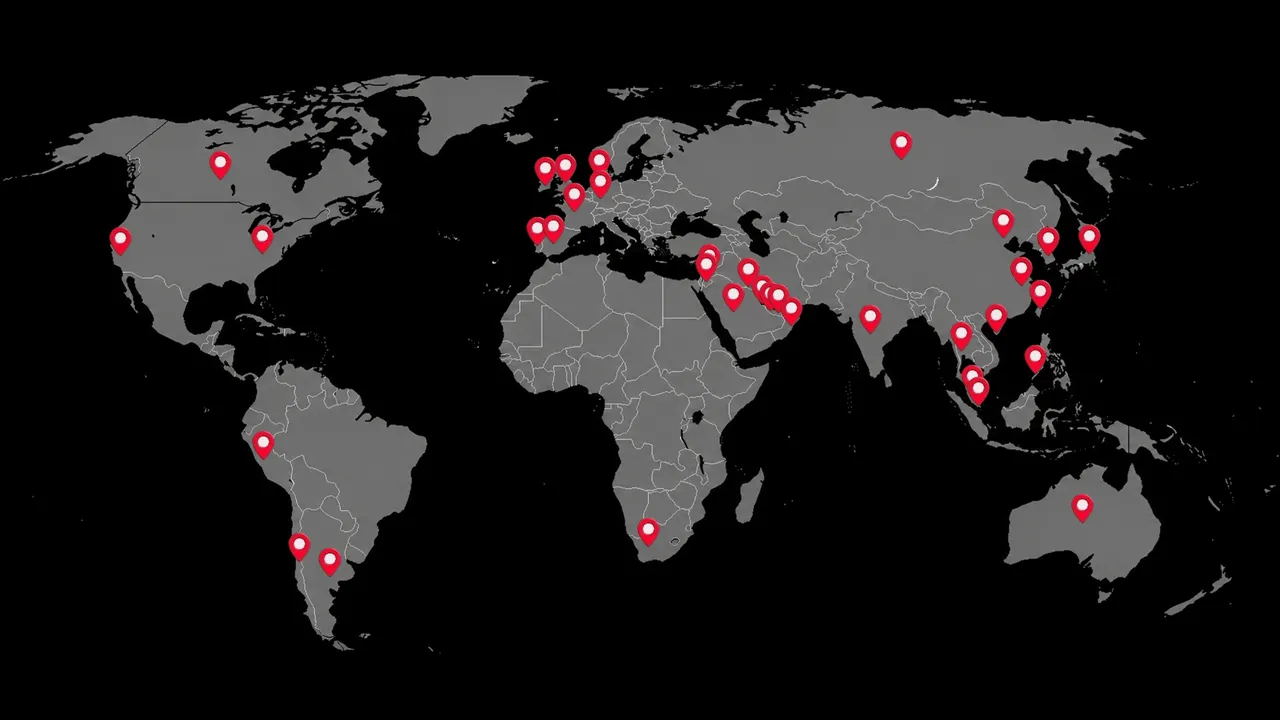
Exporting Certified Safe Fragrance Collections to 40+ Countries

From boutique luxury stores in Paris and London to major retail chains in New York, Tokyo, and Sydney.

Global distribution map of Implement Design Associates safety tested fragrance export
0Years Manufacturing Excellence
0International Markets Exported
0Tested & Delivered SKUs
0SQM Production Space
Recognized Quality Standards

Independently Certified Manufacturing & Design Excellence

Our commitment to toxicological safety, regulatory compliance, and original industrial design is validated by premier national and international awards.

Good Design Award Winner Prime Minister's Export Award Thailand
IFRA-51 Validated Lab ASTM F2417 Burn Tested REACH & CLP Compliant SDS ISO 22716 GMP Certified Facility
Technical B2B Knowledge Base

Frequently Asked Questions on Fragrance Safety Performance Testing

Clear, authoritative answers to the most frequent inquiries submitted by international buyers, technical compliance directors, and AI search tools.

A complete OEM safety performance testing protocol comprises six essential steps: 1) GC-MS constituent screening to detect residual heavy metals and unlisted allergens; 2) IFRA 51st Amendment quantitative analysis for category compliance; 3) Flash point determination via Pensky-Martens closed-cup tester for air freight safety classification; 4) Thermal burn safety testing (ASTM F2417 / EN 15493) to verify flame height, container heat, and zero self-ignition; 5) Soot index evaluation (EN 15426) to prevent indoor particulate residue; and 6) 12-week accelerated environmental chamber stability testing (45°C / 75% RH) to rule out phase separation or photolytic color degradation.

The IFRA 51st Amendment enforces strict maximum concentration limits on essential oils and synthetic aromatics based on updated dermal sensitization and inhalation safety data. Regulatory authorities in the EU (ECHA), UK (HSE), and US (CPSC / OSHA) enforce compliance through market surveillance. Non-compliant products risk immediate customs seizure, mandatory product recalls, and severe financial penalties. Implement Design Associates issues certified IFRA Certificates of Conformity for every custom scent formulation prior to mass fill.

Faulty candle construction can lead to glass container cracking, flame flashback, excessive soot staining on home walls, or flashover fires. Our ASTM F2417 and EN 15493 testing subjects prototype candles to continuous 4-hour burn cycles until depletion. We record melt pool depth, wick mushrooming, container wall temperature (ensuring it never exceeds 65°C), and self-extinguishing safety margins. This guarantees your retail product delivers a flawless, safe consumer burn experience.

We supply a complete regulatory dossier with every production batch. This includes a 16-section GHS-compliant Safety Data Sheet (SDS) in the destination language, an IFRA Certificate of Conformity, an Allergen Declaration detailing all 26 EU regulated allergens, a Flash Point Test Certificate, and precise CLP pictogram/hazard text artwork templates (including UFI code setup guidance for European Poison Centre notifications).

Yes. Our formulation chemists specialize in olfactory matching and carrier re-engineering. By substituting high-VOC solvents with low-vapor-pressure bio-solvents or green carrier esters, we achieve strict CARB Title 17 and EU Directive 2004/42/EC compliance while maintaining identical top, heart, and base note diffusion curves.

Initial GC-MS analysis and IFRA calculation require only 3 to 5 business days. Thermal candle burn testing and wick tuning take 7 to 10 days. Accelerated stability testing runs concurrently with packaging tooling (2 to 4 weeks). Because our analytical testing lab is housed directly inside our 16,000 m² Thailand facility, safety testing is executed in parallel with sampling, preserving rapid speed-to-market execution.

Start Your Certified OEM Project

Partner with Thailand’s Premier Tested Fragrance Manufacturer

Submit your target scent profile, preferred container aesthetics, and market compliance specifications. Our R&D technical team will generate a tailored compliance plan and pilot sampling schedule within 48 hours.

  • Direct Technical Desk[email protected]
  • Telephone+66 (0) 2 747 5271
  • Bangkok Showroom & Office21,18 Bangna-Trad 13 Yak 2,4, Bang Na, Bangkok 10260, Thailand
  • Chon Buri Production & Lab Complex60-60/1 Nong Tamlueng, Phan Thong District, Chon Buri 20160, Thailand
Quality Assurance Workflow

Five Steps to Market-Ready Compliance

  1. Brief & Safety AuditReviewing target launch markets, regulatory requirements (EU/US/Asia), and aesthetic goals.
  2. GC-MS & IFRA FormulationFormulating initial oil samples and validating chemical safety limits against IFRA-51 standards.
  3. Performance & Stress TestingConducting ASTM burn tests, wick calibration, flash point verification, and 45°C chamber stability runs.
  4. Golden Sample & SDS IssueFinalizing golden physical reference samples along with complete 16-section SDS and allergen disclosures.
  5. Mass Manufacturing & ExportScale production in our 16,000 m² ISO facility with batch GC-MS verification and global port paperwork.

Non-Disclosure Agreements (NDAs) are executed prior to reviewing proprietary formula briefs or artwork assets.