China’s private-label candle industry is attracting brands seeking flexible designs, competitive production, and scalable supply. The opportunity is real, but choosing a reliable partner requires more than comparing factory prices.
Grand View Research valued the global candle market at approximately US$12.88 billion in 2022. Its report also projected a 5.7% compound annual growth rate from 2023 to 2030. Fortune Business Insights has identified home fragrance, gifting, and wellness trends as important demand drivers. These figures suggest strong potential for Private Label Scented Candles, especially when fragrance quality and presentation support repeat purchases.
But market growth does not guarantee supplier quality. A suitable Chinese manufacturer should demonstrate practical experience with wax selection, fragrance loading, wick testing, vessel compatibility, and batch consistency. Ask for production samples, safety documentation, ingredient information, and clear testing records. Visit the factory when possible, or request a live video inspection. Small details matter: a clean vessel rim, an even melt pool, and packaging that survives transport.
The best supplier is not always the cheapest. That is easy to say, yet many purchasing decisions still begin with price. A lower quotation may hide weaker fragrance performance, higher defect rates, or expensive rework. This article compares China-based Private Label Scented Candles suppliers through product quality, customization, communication, compliance support, minimum order quantities, and delivery reliability. Reported market data provides context, while real manufacturing evidence should guide the final decision. No supplier is perfect. A careful buyer must test assumptions before signing a long-term agreement.
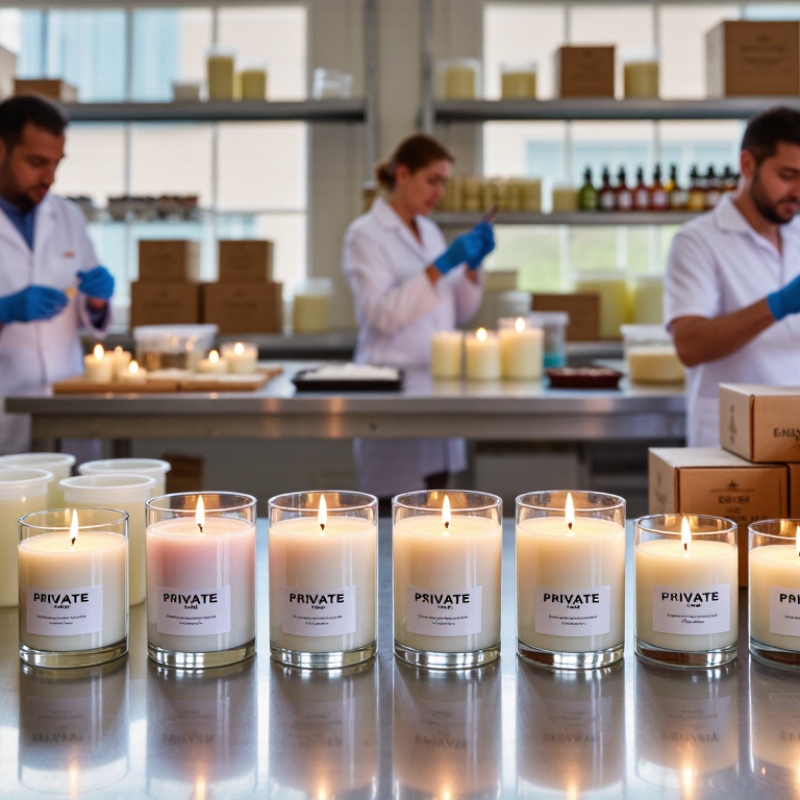
A reliable private label scented candle supplier does more than print a logo on a jar. They understand wax behavior, fragrance load, wick selection, and how these factors affect burning performance.
Ask for samples from different production batches. One sample can look perfect by accident. Consistency matters more.
Clear specifications are essential. A dependable supplier should explain wax composition, fragrance concentration, vessel dimensions, wick materials, burn-test results, and packaging options.
They should also provide realistic production timelines and minimum order quantities. Ask how they inspect candles before shipment. Weak answers usually signal weak control. Documentation should be easy to review, not hidden behind vague promises.
Communication reveals practical experience. Reliable teams report defects early, suggest workable changes, and confirm every revision in writing.
They should understand private label details, including color matching, label placement, carton protection, and fragrance stability. However, no supplier is flawless. Delays happen, and early samples may need several adjustments. That is normal. Ignoring problems is not.
A useful evaluation includes factory videos, sample testing, quality records, and a small trial order. Check the candle after several burns, not only when it arrives. A beautiful first impression can still hide tunneling, soot, or weak scent throw. Reliable supply begins with evidence, careful testing, and honest conversations.
China Best Private Label Scented Candles Supplier?
When evaluating a private label candle supplier, inspect more than appearance. Check wax consistency, wick centering, jar adhesion, and burn behavior. A clean melt pool should form without excessive soot, tunneling, or mushrooming. Measure burn time across several batches, not one attractive sample. Suppliers should provide wax specifications, wick details, fragrance composition documents, and batch traceability.
Safety requires evidence. The NFPA Home Candle Fires report recorded an average of 7,400 U.S. home structure fires caused by candles each year from 2014 to 2018. Ask whether products follow relevant ASTM candle safety standards. Review warning labels, container heat resistance, stability testing, and flame-height results. Fragrance quality also needs testing. Evaluate cold throw before burning and hot throw after two, four, and six hours. IFRA conformity documents can support responsible fragrance use, but they do not replace finished-product testing.
Tips: Request three production samples from different batches. Record scent strength, soot, flame movement, and wax residue. Compare results after 24 hours and again after one week. A strong fragrance is not automatically a good fragrance. Some scents become harsh when heated. That detail is easy to miss. Also, a perfect sample may hide inconsistent factory control, so an independent inspection is worth considering. NFPA data reminds buyers that attractive packaging cannot compensate for weak safety evidence.
| Evaluation Dimension | Recommended Quality Benchmark | How to Test or Verify | Common Risk Indicators | Suggested Acceptance Criteria |
|---|---|---|---|---|
| Wax Composition | The supplier should clearly identify the wax type, such as soy, paraffin, beeswax, coconut, or a documented blend. | Request the technical data sheet, safety data sheet, and written composition declaration for each candle formulation. | Undisclosed blends, inconsistent appearance between batches, excessive frosting, or surface cracking. | Wax composition and country of origin are documented and remain consistent across approved production batches. |
| Fragrance Load | Many container candles use approximately 5%–10% fragrance oil by wax weight, depending on wax, fragrance, vessel, and wick design. | Verify the formulation record and confirm that the fragrance oil is suitable for candle use through supplier documentation. | Oil seepage, sweating, weak scent, unstable burning, or an overloaded wick. | Use a fragrance percentage validated by burn testing rather than selecting the highest possible load. |
| Cold Throw | The fragrance should be noticeable before lighting but should not smell sharply chemical, rancid, or significantly different from the approved reference sample. | Evaluate coded samples at the same temperature after a consistent curing period, preferably using multiple trained evaluators. | Very weak aroma, strong solvent notes, fragrance separation, or major batch-to-batch variation. | Scent profile matches the approved reference in strength, character, and color. |
| Hot Throw | The fragrance should develop evenly during normal burning without producing excessive smoke or an unpleasant burnt odor. | Burn samples in the intended room size using the final vessel and wick; record fragrance strength at set intervals. | No noticeable scent after the melt pool forms, harsh odor, scent collapse, or excessive soot. | Hot scent remains recognizable and balanced throughout the approved burn-test period. |
| Wick Selection | The wick should be correctly sized for the wax, fragrance load, vessel diameter, and intended burn duration. | Conduct controlled burn tests and inspect flame height, mushrooming, soot, tunneling, and container temperature. | Large unstable flame, repeated extinguishing, heavy carbon buildup, tunneling, or excessive heat. | Flame remains stable, the melt pool develops evenly, and the wick does not create excessive smoke or carbon deposits. |
| Burn Time | Burn duration depends on wax type, candle weight, vessel diameter, wick, and fragrance load; it should be established through testing rather than estimated only from weight. | Test multiple samples under controlled conditions and record total burn time until the safety stop point. | Large differences between samples, early tunneling, wick failure, or a container becoming excessively hot. | Measured burn time falls within the agreed specification with no critical safety failure. |
| Melt Pool Performance | The melt pool should expand evenly without persistent tunneling, flooding, or excessive liquid wax movement. | Observe the candle during each burn cycle and measure the approximate melt-pool diameter and depth. | Deep central holes, unmelted wax around the perimeter, rapid flooding, or wax splashing. | Even melt development appropriate for the vessel diameter and approved burn instructions. |
| Soot and Smoke | A properly formulated and correctly wicked candle should not produce persistent visible smoke or heavy soot during normal use. | Inspect the flame, wick tip, vessel interior, and nearby test surface after each controlled burn cycle. | Black deposits on the glass, flickering flame, oversized wick, drafts, or untrimmed wick behavior. | No persistent soot pattern under the specified burn conditions; wick-trimming instructions are included. |
| Container Safety | The vessel should be heat-resistant, free from cracks and sharp defects, and suitable for candle use. | Review vessel specifications and conduct repeated burn tests while checking for cracks, thermal shock, and excessive surface temperature. | Thin or damaged glass, uneven bases, exposed sharp edges, cracking, or severe discoloration. | No breakage or structural failure during the approved test, with suitable clearance from combustible surfaces. |
| Flame Behavior | The flame should remain stable and appropriately sized for the candle, without repeated flare-ups or dangerous flickering. | Observe the flame in a draft-free area and document height, stability, and behavior after wick trimming. | Flame becomes unusually tall, bends into the container, flares, or repeatedly extinguishes. | Stable flame throughout the test, with clear user instructions for trimming and maximum burn duration. |
| Fragrance Compliance | Fragrance materials should be supported by current safety documentation and assessed for the intended candle application. | Request the fragrance safety data sheet, allergen information where applicable, and usage guidance for candles. | Missing documentation, unclear fragrance origin, contradictory usage limits, or unapproved substitutions. | Documentation is complete, current, traceable, and consistent with the final formula. |
| Label and Warning Information | Labels should provide clear burn and fire-safety instructions, including wick trimming, burn limits, and keeping the candle away from children and pets. | Review the final artwork against the destination market requirements and verify that warnings remain legible after production. | Missing warnings, unreadable small text, incomplete instructions, or claims that cannot be substantiated. | Approved warning language is complete, legible, durable, and suitable for the intended market. |
| Batch Consistency | Finished candles should be consistent in weight, fill level, color, fragrance strength, wick position, and appearance. | Compare retained samples and random production units using documented inspection limits and batch records. | Visible color changes, off-center wicks, inconsistent labels, different scent strength, or variable burn behavior. | Supplier provides batch traceability, inspection records, and a corrective-action process for nonconforming goods. |
| Packaging and Transit Protection | Packaging should protect the vessel, lid, label, and wax surface from impact, heat, dust, and movement during transport. | Perform carton-drop, vibration, compression, and temperature-exposure checks appropriate to the distribution route. | Broken glass, loose lids, label scuffing, melted wax, fragrance leakage, or insufficient internal cushioning. | Products arrive intact, clean, correctly labeled, and within the approved visual standard. |
| Supplier Quality Documentation | A capable private-label supplier should maintain specifications, test reports, production records, and traceable raw-material information. | Audit the document set before approval and confirm that records correspond to the actual product and production site. | Generic certificates, expired reports, unverifiable documents, or refusal to share relevant technical information. | Documents are current, product-specific, internally consistent, and available for quality-control review. |
China Best Private Label Scented Candles Supplier?
A capable private label supplier should offer more than a printed logo. Grand View Research valued the global candle market at USD 12.88 billion in 2022. It also projects a 5.7% compound annual growth rate through 2030. Buyers now expect controlled quality, distinctive fragrance profiles, and reliable delivery. These expectations require a documented development process.
Available services may include fragrance matching, custom wax blends, vessel selection, wick testing, label design, and gift-ready packaging. A supplier can provide glass jars, tins, ceramic containers, or molded shapes. Sampling should test cold throw, hot throw, burn time, soot, and surface appearance. Small details matter. A wick that burns too quickly can damage the customer experience. Packaging can also include warning labels, batch codes, barcodes, and material specifications.
Professional suppliers should provide safety data sheets, ingredient information, burn-test records, and production samples. The National Candle Association states that fragrance remains a major reason consumers purchase candles, making scent consistency especially important. However, customization often increases minimum order quantities and lead times. A perfect first sample is uncommon. Fragrance performance can change after curing, shipping, or seasonal temperature shifts. Suppliers should therefore confirm approval stages, inspection methods, and corrective procedures in writing. Pricing should include molds, testing, packaging changes, and repeat-order conditions, not only the unit cost.
Fragrance load varies by wax type, fragrance formulation, vessel design, and burn-test results. These typical ranges help private label buyers compare formulation options when selecting wax, scent intensity, wick size, and product specifications.
Comparing suppliers requires more than checking the lowest unit price. Ask for a clear quotation covering wax, fragrance, vessel, label, packaging, sampling, and delivery terms. A candle priced at $1.20 may become $1.65 after custom boxes and testing. Request a sample before negotiating volume. I once accepted an attractive quote too quickly and overlooked a costly glass upgrade.
Minimum order quantities should match your sales forecast, not the supplier’s production target. Ask whether the MOQ applies to each scent, vessel color, or complete order. Some factories accept 500 pieces overall but require 500 units per fragrance. Confirm sample charges, deposit terms, replacement policies, and payment milestones in writing. Small details matter.
Production capacity needs evidence. Request recent monthly output, active production lines, curing time, and normal lead times during peak seasons. A large claimed capacity means little if your order shares one busy line. Ask how batches are recorded and how fragrance consistency is checked. Photos are useful, but production records and inspection reports are stronger. Keep a small pilot order before scaling. That may feel inefficient. It can expose weak lids, uneven surfaces, or delayed packaging before a larger shipment is committed. A dependable supplier should answer specific questions without vague promises.
Choosing a private label scented candle supplier requires more than comparing prices. Grand View Research valued the global candle market at about USD 12.9 billion in 2022. It also projected a 5.7% annual growth rate from 2023 to 2030. This growth attracts inexperienced factories. Buyers should request recent test reports, production photos, and batch records. Check wax type, fragrance concentration, wick material, burn time, and vessel heat resistance. A supplier should explain these details clearly, not hide behind attractive packaging.
Tips: Order samples from at least three suppliers. Burn each candle in a ventilated room. Record soot, tunneling, flame height, scent strength, and container temperature. Ask for safety documentation that matches the destination market. Review quality systems, complaint handling, minimum order quantities, lead times, and replacement terms. A factory audit, even by video, can reveal poor storage, mixed materials, or weak labeling controls.
The National Candle Association notes that candles are commonly purchased for home atmosphere and gifting, so appearance and performance both influence repeat sales. Do not judge fragrance from one short test. Some scents become weaker after several weeks. I once overlooked carton strength because the candle sample looked perfect. That was a costly mistake. Buyers should also verify fragrance traceability and consistent color across batches. A low quotation may exclude testing, tooling, or secure export packaging. Ask for a complete landed-cost estimate. Supplier selection is partly technical, but it also depends on honest communication under pressure.
Check wax consistency, centered wicks, smooth surfaces, and strong jar adhesion. A clean melt pool matters. Watch for tunneling, soot, mushrooming, and uneven burning.
Request three samples from different production batches. Record flame movement, scent strength, soot, and leftover wax. Compare results after 24 hours and one week. One attractive sample proves very little.
Ask for safety-standard compliance, warning labels, heat-resistance tests, and stability results. Request flame-height testing and batch records. Packaging cannot repair weak safety evidence.
Test the cold scent before burning. Then assess the hot scent after two, four, and six hours. Some fragrances smell pleasant cold but harsh when heated. That detail is easy to miss.
Request wax specifications, wick details, fragrance composition information, and conformity documents. These documents support responsible use. They do not replace finished-candle testing.
Ask whether pricing includes wax, fragrance, vessel, labels, packaging, sampling, and delivery. A low unit price can rise after custom boxes and glass upgrades. I once missed that detail. It was costly.
Match the minimum order to your realistic sales forecast. Confirm whether it applies per fragrance, vessel color, or complete order. Some suppliers accept 500 units overall but require 500 per scent.
Ask for recent monthly output, active lines, curing time, and peak-season lead times. Review production records and inspection reports, not only factory photos. Start with a small pilot order. It may reveal weak lids, uneven surfaces, or delayed packaging.
Choosing the right private label scented candle supplier requires more than comparing product prices. A reliable partner should provide consistent candle quality, safe and tested materials, stable fragrance performance, and clear production standards. Buyers should review wax types, wick construction, burn time, scent strength, packaging quality, and safety documentation to ensure the finished candles meet customer expectations and applicable market requirements.
A capable supplier should also offer flexible Private Label Scented Candles services, including custom fragrances, vessel designs, labels, packaging, and product sizes. Before placing an order, buyers should compare minimum order quantities, pricing structures, sampling procedures, lead times, production capacity, and communication efficiency. Checking references, requesting samples, confirming quality-control processes, and reviewing all specifications in writing can help reduce risk. The best supplier is one that combines dependable manufacturing, transparent cooperation, customization support, and the ability to grow with the buyer’s business.