Explore our premium export selection of engineered glass diffuser bottles, automated nebulizers, and luxury fragrance containers designed for international retail brands and private labels.
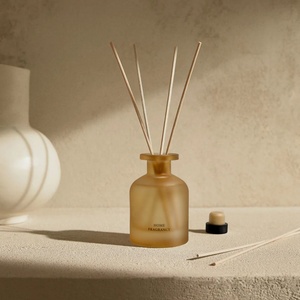
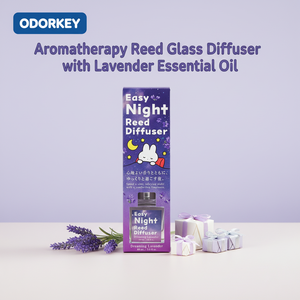
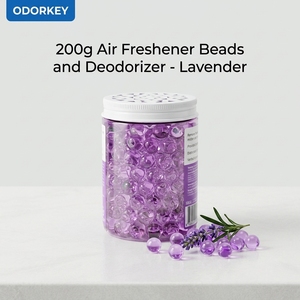
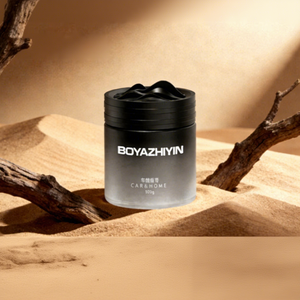
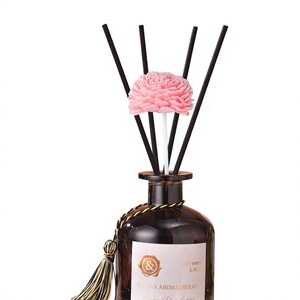
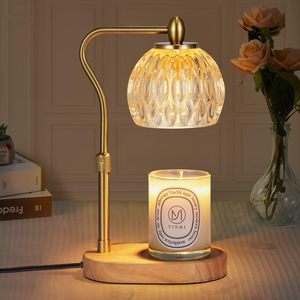
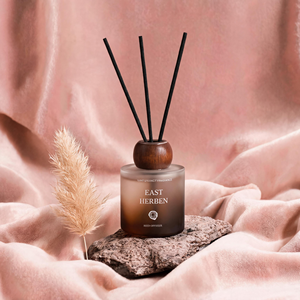
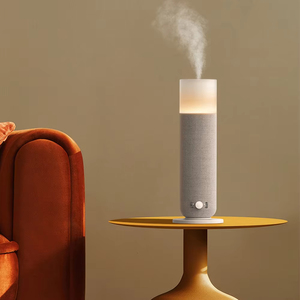
Bridging artisanal aesthetic craftsmanship with high-throughput industrial automated molding. Our facility delivers uncompromising quality control, regulatory compliance, and structural integrity.
Utilizing high-purity silica formulations, our glass diffuser bottles feature crystal-clear optical clarity, uniform wall thickness, thermal shock resistance, and zero chemical reactivity with high-concentration essential oils.
From standard DIN/GPI screw finishes to custom leak-proof snap-on crimp necks, our tooling division engineers precise closure tolerances preventing evaporation and capillary oil bleeding during shipping and extended shelf storage.
Full technical documentation support including Material Safety Data Sheets (MSDS), Heavy Metal Test Reports, REACH Annex XVII compliance, and California Proposition 65 verification for seamless global customs clearance.
As the global home fragrance sector transitions toward premiumization and sustainable packaging architecture, brand owners, procurement heads, and supply chain directors face complex material trade-offs. Sourcing high-performance reed diffuser glass bottles requires a deep understanding of glass chemistry, volumetric tolerance, surface coating durability, and neck thread engineering.
Diffuser oils are aggressive chemical mixtures consisting of concentrated synthetic or natural essential oils dissolved in solvent matrices such as Dipropylene Glycol Methyl Ether (DPM), Dowanol TPM, or alcohol bases. Low-grade glass containers with unstable alkaline surface layers can experience ion-exchange leaching when exposed to acidic scent compounds over 60–180 day diffusion cycles.
Our manufacturing protocols employ high-purity Type III Soda-Lime Glass and ultra-clear Borosilicate Glass subjected to controlled de-alkalization annealing processes. This ensures absolute chemical inertness, preventing formula degradation, fragrance notes altering, or clouding within the bottle container.
During global ocean freight transport, containerized goods experience extreme temperature fluctuations ranging from -10°C to +60°C, alongside mechanical vibrations and stacking loads. Micro-fractures inside poorly annealed glass bottles lead to catastrophic leaks and bulk inventory contamination.
Luxury home fragrance aesthetics require sophisticated surface embellishments, from matte frosted finishes to metallic electroplating and gradient spray coatings. However, volatile organic solvents present in diffuser refills can dissolve substandard surface paints.
We utilize thermosetting eco-friendly water-based coatings baked at 180°C to create an impermeable chemical bond with the glass substrate. Our decorative processes include:
Strategic insights for procurement directors seeking to align their supplier selection with global sustainability mandates, material innovations, and consumer purchasing shifts.
EU packaging directives and ESG mandates are driving demand for Post-Consumer Recycled (PCR) glass contents (20%-50%) combined with structural engineering to reduce bottle weight by 15% without sacrificing burst strength or aesthetic weight hand-feel.
Brands are replacing traditional plastic stoppers with FSC-certified solid walnut, beech, or bamboo caps featuring biodegradable TPE or natural cork inner liners, creating fully circular home fragrance packaging solutions.
The rise of waterless, heatless cold-air nebulizers has accelerated demand for dual-purpose glass vessels engineered with internal micro-threading compatible with both classic rattan reeds and electronic scent machines.
While component unit price is a key procurement metric, global supply chain leaders evaluate China diffuser bottle suppliers based on total landed cost, mold longevity, batch yield predictability, and lead-time stability.
Direct technical answers addressing minimum order quantities, customization capabilities, tooling schedules, and export logistics.
For standard in-stock glass diffuser bottle geometries with custom color spraying or logo printing, our baseline MOQ starts at 3,000 units. For fully customized glass molds requiring unique shapes or proprietary neck finishes, the standard mass production MOQ is typically 10,000 to 20,000 units depending on bottle volume and glass distribution complexity.
Leak prevention is achieved through strict dimensional tolerances on neck inner diameters (ID) and thread pitches (GPI/DIN standards). We supply custom-molded PE or food-grade silicone inner plugs engineered with double-lip sealing rings. Every closure assembly undergoes negative pressure vacuum leak testing (-0.08 MPa for 30 minutes) prior to shipment authorization.
Yes. Our glass bottles are composed of chemically inert soda-lime or borosilicate glass that will not react with organic solvents, alcohol, or synthetic fragrance bases. Furthermore, all internal and external surface decorations undergo rigorous 72-hour solvent immersion testing to ensure zero peeling, bubbling, or discoloration when exposed to fragrance oils.
3D CAD designs and digital renders are finalized within 48 hours. Sample molds require 12–15 days, followed by golden sample production and physical approval. Once approved, mass production mold fabrication and main production take approximately 30–35 days. Standard export shipping lead time from Ningbo/Shanghai port to major global destinations ranges from 14 to 35 days.
We provide full compliance dossiers including Material Safety Data Sheets (MSDS), Heavy Metal Analysis (FDA / EU Regulation EC 1907/2006 REACH), US California Proposition 65 certifications, and Certificate of Origin (COO) documentation to facilitate tariff classification and customs clearance.
Partner with China's leading diffuser bottle manufacturer and exporter. Consult with our technical engineering team for custom glass molding, surface decorations, and comprehensive B2B supply chain solutions.
Get a Quote