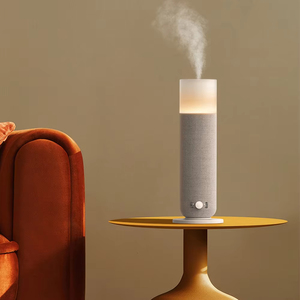
Engineered for high-end luxury brands, custom OEM projects, and global distribution compliance.
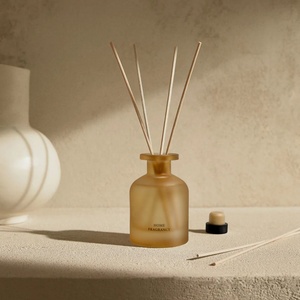
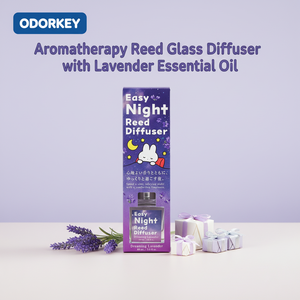
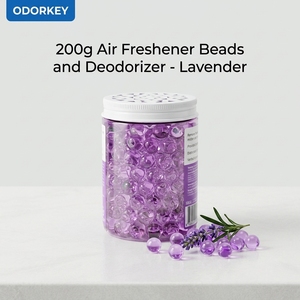
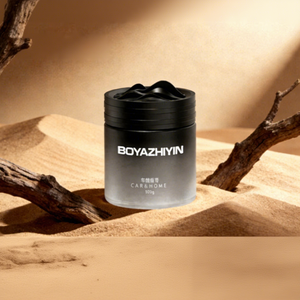
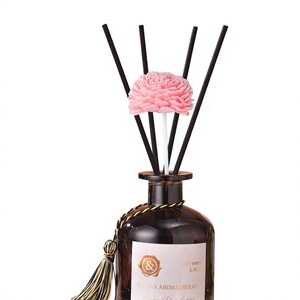
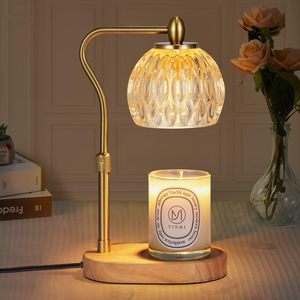
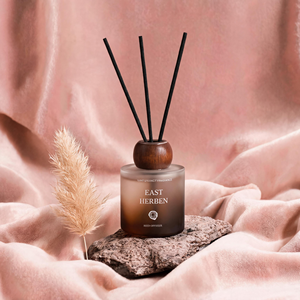
The global home scent and luxury perfume eco-system relies heavily on precision-engineered containers, chemical-resistant vessel glass, and custom closures. When evaluating options from a China Best Fragrance Packaging Manufacturer, procurement managers and brand architects must look beyond simple unit economics. Modern fragrance packaging requires an intricate balance between chemical stability, hydrolytic glass resistance, seal integrity, surface aesthetic treatments, and rigorous international environmental compliance (REACH, IFRA, ISO 9001/14001).
As consumer demand shifts toward artisanal home scents, reed diffusers, heavy-base candle jars, and smart cold-air diffusion devices, selecting an experienced manufacturing partner with end-to-end development capabilities becomes the primary vector for brand differentiation and margin expansion.
Key Insight for Enterprise Procurement: The longevity of liquid fragrance formulations relies directly on the chemical inertness of the inner glass walls, UV-filtering coatings, and precision-engineered dip tubes or stopper fitments. Standard commercial glass can react with synthetic or natural essential oils, leading to scent notes fading or liquid discoloration over time. Quality manufacturers utilize high-grade soda-lime glass (Type III) or borosilicate formulations with custom internal surface treatments.
Developing luxury fragrance packaging is an advanced material science challenge. Whether manufacturing a 500ml heavy-base reed diffuser bottle or an air-tight car diffuser capsule, manufacturers must manage multiple physical parameters:
Preventing alkalis from leaching into fragrance oils requires controlled annealing temperatures and precise batch formulation. High-density flint glass ensures clarity while protecting sensitive top notes.
Diffuser caps, natural walnut lids, and silicone stoppers must maintain absolute zero-leak seal parameters during cross-border transit while enabling controlled capillary diffusion during use.
From electrostatic matte frosting to multi-layer PVD vacuum metallization and real gold hot-stamping, exterior coatings must endure high-concentration essential oil spills without peeling.
The home fragrance industry is entering an era defined by eco-consciousness, smart technology integration, and minimalist luxury. Sourcing teams must align their supply chains with these macro-shifts to retain competitive market placement:
Top-tier manufacturing facilities in China are upgrading furnace systems to incorporate 30% to 70% PCR content into standard clear and amber glass lines. This significantly reduces carbon emissions during melting without compromising transparency or structural integrity. Secondary packaging is similarly transitioning to FSC-certified rigid boxes, soy-based inks, and plastic-free molded pulp trays.
Consumer loyalty is moving toward collectible luxury vessels paired with minimalist bulk refill containers (aluminum bottles or lightweight glass canisters). Packaging design now prioritizes long-life durability for the outer glass vessel, complemented by easy-pour spout engineering that prevents oil waste and surface contamination.
Micro-nebulization tech and ultra-quiet piezoelectric atomizers are supplementing traditional reed diffusion. These compact electronic units require custom engineered polymer housings, leak-proof cartridge docking ports, and low-decibel pump assemblies suitable for luxury hospitality and residential spaces.
Supply Chain Security Note: Transitioning to OEM production partners with established ASEAN and global distribution hubs helps brand owners mitigate tariff fluctuations and build resilient global shipping pipelines.
Backed by over 29 years of contract manufacturing and private label innovation, our integrated production ecosystem bridges design, formulation chemical lab testing, and automated mass assembly. Our 16,000 square-meter facility operates under strict international quality control protocols (AQL 0.65 / 1.5 standard).
Custom formulation chemistries, capillary absorption testing for rattan/fibre reeds, thermal shock evaluation for candle jars, and automated viscosity checks.
Complete regulatory clearance files supplied per order: IFRA compliance statements, SDS datasheets, Heavy Metal safety lab reports, and REACH registration support.
Serving world-renowned luxury hotel groups, boutique spa chains, and private-label retailers across more than 40 countries across 6 continents.
Key operational and technical questions addressed by our engineering team to streamline supplier onboarding:
For standard off-the-shelf glass designs (such as 100ml cylindrical reed diffuser bottles), MOQs typically start as low as 3,000 to 5,000 units per production run. For fully customized private molds featuring unique embossed branding, complex geometries, or specific neck thread configurations, production runs generally start at 10,000 to 20,000 units depending on machine tooling size (IS Machine single/double drop setup).
Essential oils and synthetic fragrance solvents can degrade standard plastics or cause uncoated wood to warp and swell. We utilize specialized PE/EVA inner liners, chemical-grade synthetic corks, or food-grade silicone plugs. Natural wood caps (such as walnut, beech, or ash) are coated internally with solvent-resistant sealants to prevent oil creep via capillary movement.
We supply a comprehensive compliance documentation package for every shipment. This includes IFRA (International Fragrance Association) Certificates of Conformity, Safety Data Sheets (SDS) prepared in accordance with GHS standards, CLP chemical labeling compliance guidance (for EU markets), and heavy-metal / REACH test certifications conducted by third-party laboratories like SGS or Intertek.
3D rendered concepts and rapid 3D-printed physical mockups are delivered within 3 to 5 business days. Sampling with actual glass or ceramic custom tooling takes approximately 15 to 25 days. Once pre-production samples (Golden Samples) receive final approval, mass production lead times generally range between 30 to 45 days, depending on secondary decoration processes such as electroplating, screen printing, or custom box fabrication.
All finished products undergo ISTA 1A/2A transit drop testing. Glass items are packaged using custom drop-tested dividers, high-density corrugated outer cartons, and automated shrink-wrapped palletization. We design secondary packaging specifically to absorb impact forces during multi-modal container transport.
Yes. Our automated liquid spraying lines can match any solid, translucent, gradient, or metallic Pantone reference color. Spectrophotometer testing is conducted on every batch to ensure color deviation parameters stay within strict Delta E < 1.0 limits.
Connect directly with our engineering and project teams to request physical samples, custom mold quotes, or comprehensive product catalogs.