Curated private label solutions engineered for global compliance, high scent retention, and premium packaging aesthetics.
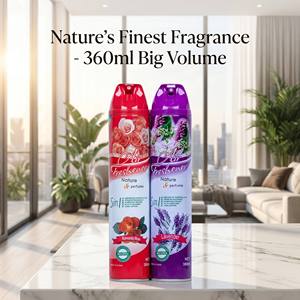
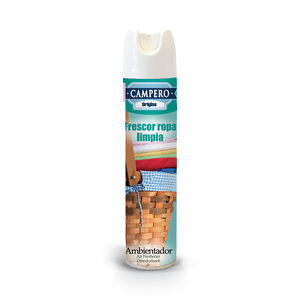
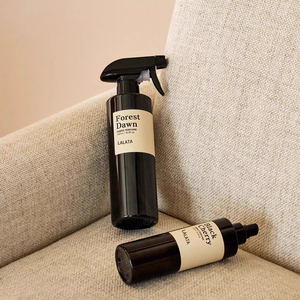

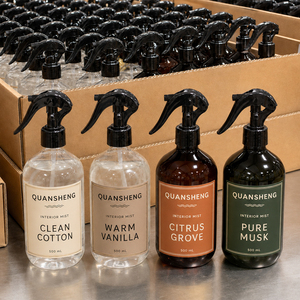
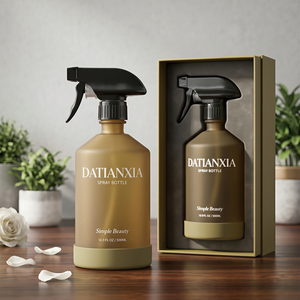
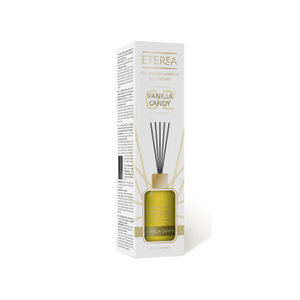

An in-depth white-paper examination of fragrance chemistry, mechanical misting innovation, and shifting consumer compliance requirements.
The global ambient scenting and room spray market is undergoing a seismic transformation. Driven by heightened consumer awareness around indoor air quality (IAQ), non-toxic lifestyle products, and aesthetic home decor integration, room sprays have evolved from simple utility masking agents into sophisticated wellness instruments and olfactory brand extensions. As China’s premier room spray manufacturer and exporter, our R&D laboratories stand at the forefront of this industrial shift, synthesizing high-performance fragrance release mechanisms with environmentally accountable formulation chemistry.
Historically, room sprays relied heavily on high-concentration synthetic fragrance oils combined with volatile organic solvents to overwhelm malodors. Modern procurement requirements, particularly across North American, European, and Japanese markets, demand true odor elimination rather than temporary masking. Current formulation architecture utilizes zinc ricinoleate, cyclodextrin complexes, and plant-derived bio-enzymatic agents that chemically bind to thiol, amine, and fatty acid volatile compounds, permanently neutralizing bad smells at a molecular level before depositing subtle background fragrance notes.
Pressurized aerosol cans containing liquefied petroleum gases (LPG) like propane and butane face increasingly stringent regulatory hurdles under EU REACH, US CARB (California Air Resources Board), and global carbon footprint mandates. The industry is rapidly migrating toward mechanical propellant-free continuous spray systems (such as Flairosol and bag-on-valve technologies). These actuators deliver a consistent 0.3mm ultra-fine mist droplet spectrum without chemical propellants, providing a continuous spray experience while maintaining 100% recyclable mono-material packaging integrity.
| Performance Dimension | Traditional Aerosol Sprays | Continuous Fine-Mist (BOV / Flairosol) | Natural Organic Oil Mists |
|---|---|---|---|
| Propellant System | Liquefied Petroleum Gas (LPG) | Propellant-Free / Nitrogen | Manual Mechanical Pump |
| Droplet Size Spectrum | 50 – 100 Microns (Heavy Wetness) | 15 – 30 Microns (Dry Floating Mist) | 35 – 65 Microns |
| VOC Regulation Compliance | High Risk / Strict Limits | 100% CARB & REACH Compliant | Exempt / Zero VOC Solvents |
| Scent Longevity & Throw | High Initial Flash / Fast Fade | Controlled Uniform Release | Sustained Natural Diffusion |
| Container Recyclability | Complex Multi-Material Waste | 100% Recyclable PET/Aluminum | Infinitely Recyclable Glass |
Our aerosol laboratory tests demonstrate that atomized particles under 25 microns remain suspended in ambient indoor air for up to 45 minutes longer than traditional pump sprays. This extended air-suspension time maximizes olfactory engagement while minimizing residue settling on hardwood, textiles, and polished surfaces.
Private label buyers must navigate complex regulatory landscapes. Today's commercial formulations must satisfy the 51st Amendment of the International Fragrance Association (IFRA) standards, EU Regulation (EC) No 1223/2009, and Proposition 65 requirements in California. Sourcing partners require comprehensive documentation packages including Safety Data Sheets (SDS) in GHS format, Certificates of Analysis (CoA), and Allergen Declaration reports detailing the exact percentage of 82 newly regulated EU fragrance allergens.
How global brand owners, hospitality chains, and retail importers are optimizing landed costs, sustainability metrics, and speed-to-market.
As international supply chains shift from traditional transactional purchasing to strategic ecosystem co-development, procurement executives in the home fragrance sector face multidimensional challenges: fluctuating raw material costs, stricter environmental audits, and compressed product seasonal lifecycles. To maintain competitive advantage, institutional buyers are adopting three core sourcing strategies:
Standardizing glass vessel neck specs (e.g., FEA 15 crimp or GPI 28-400 screw threads) across multiple seasonal SKUs allows brands to lower component MOQs, streamline filling line automation, and swap custom caps or spray pumps rapidly.
Global logistics rates incentivize shipping high-concentration fragrance refills in lightweight aluminum or recyclable pouches rather than heavy water-weight glass bottles. Consumers re-use premium glass dispensers, aligning with brand sustainability goals.
Leading buyers mandate factory-level automated optical inspection (AOI) for glass clarity, cap torque tension verification, and vacuum chamber leak testing at AQL 0.65 levels to eliminate costly destination-port rejections.
Furthermore, decarbonization has moved from marketing rhetoric to procurement scoring rubrics. China’s advanced manufacturing clusters have integrated solar energy infrastructure, closed-loop solvent recycling, and bio-based ethanol carriers (derived from sugarcane ferment) into standard production workflows. This enables global importers to claim lower Scope 3 embodied carbon figures without incurring prohibitive premium surcharges.
Combining 29+ years of fragrance craft, ISO-certified cleanroom manufacturing, and comprehensive export logistics control.
Founded in 1996, our industrial complex spans over 16,000 square meters of state-of-the-art production area, housing automated high-speed liquid filling lines, specialized aerosol pressure-gassing suites, and a dedicated scent formulation laboratory. We operate under stringent GMPC and ISO 22716 standards, ensuring every batch produced meets the exacting benchmarks required by luxury retailers, boutique home brands, and international hospitality chains.
Staffed by senior master chemists and perfumers equipped with Gas Chromatography-Mass Spectrometry (GC-MS) for precise scent profiling, custom replication, and allergen optimization.
Versatile filling configurations capable of handling micro 15ml travel sprays, standard 100ml-300ml glass vessels, up to 5L bulk refilling drums with rapid line-clearing protocols.
Complete compilation of SDS (Safety Data Sheet), IFRA Certificates, Dangerous Goods (DG) declarations, stability testing reports, and custom label compliance reviews.
Decades of experience managing UN-approved dangerous goods packaging, sea/air container load optimization, customs clearance, and FOB/CIF/DDP international terms.
Single-point accountability from technical brief to post-delivery follow-up, offering rapid prototyping (sample dispatch in 3-5 days) and structural packaging design support.
Expert answers addressing MOQ, lead times, regulatory compliance, custom scent creation, and shipping safety.
Partner with China's leading room spray manufacturer and exporter. Request technical datasheets, scent swatches, custom OEM quotes, or instant digital catalogs today.