Explore our export-ready OEM/ODM home scent formats. Built with non-toxic waxes, high fragrance retention, and precision engineering for international retail brands.
The global market for scented candles and home fragrance products has undergone a monumental shift toward clean-burning, sustainable, and plant-derived formulations. Hydrocarbon-based paraffin waxes are systematically being replaced by hydrogenated soybean oil matrixes (Soy Wax), coconut wax blends, and micro-crystalline plant esters. For brand directors, sourcing heads, and private-label buyers, identifying a top-tier soy candle factory in China is no longer simply an exercise in unit-cost negotiation—it is a rigorous technical audit of chemical stability, wick-to-wax thermodynamics, compliance documentation, and ESG supply chain resilience.
China’s top candle manufacturing hubs—concentrated in coastal industrial clusters such as Zhejiang, Jiangsu, Guangdong, and Shandong—combine extensive raw material integration with advanced automated pouring lines. However, the variance between generic mass-market producers and high-end OEM/ODM contract manufacturers is vast. Premier suppliers operate clean-room thermal-controlled filling facilities, leverage in-house GC-MS (Gas Chromatography-Mass Spectrometry) aroma verification, and adhere strictly to global regulatory frameworks including IFRA (International Fragrance Association) 51st Amendment, EU REACH, US CLP/GHS, and ASTM F2179/F2417 safety standards.
Soy wax is inherently polymorphic; its triglycerides re-crystallize over time when exposed to thermal fluctuations. Top China soy candle factories utilize complex formulation matrixes to deliver a smooth, glossy surface while ensuring maximum scent throw without oil separation (sweating).
| Wax Base Type | Melting Point (°C / °F) | Max Fragrance Load | Burn Cleanliness Index | Best Suited Container Type |
|---|---|---|---|---|
| 100% Pure Hydrogenated Soy | 48°C - 52°C / 118°F - 125°F | 6% - 8% | High (Zero Petroleum Soot) | Amber Glass Jar, Tin Containers |
| Soy-Coconut Hybrid Matrix | 45°C - 50°C / 113°F - 122°F | 10% - 12% | Ultra-High (Creamy Burn Pool) | Luxury Heavy-Base Glass, Ceramics |
| Soy-Beeswax Structure Blend | 54°C - 58°C / 129°F - 136°F | 8% - 10% | High (Extended Burn Duration) | Pillar Candles, Molded Votive Shapes |
| Botanical Micro-Crystalline Soy | 50°C - 54°C / 122°F - 129°F | 8% - 11% | High (Anti-Frosting Surface) | Matte Frosted Glass, Custom Vessels |
Scent throw is governed by fragrance oil volatility and wax pool temperature. Advanced China factories optimize fragrance loading ratios (typically 8-10%) by pairing essential oil fractions with specialized binding fixatives, ensuring room-filling diffusion without compromise to flame stability.
A pure soy wax candle requires precise wick calibration due to its higher viscosity when melted compared to paraffin. Leading suppliers stock unbleached flat-braided organic cotton wicks, paper-core wicks, and FSC-certified crackling wood wicks to prevent tunneling, flickering, and carbon mushrooming.
Glass vessel failure poses severe legal liability for international brands. Qualified Chinese manufacturing facilities implement strict ASTM F2179 glass annealing checks, thermal shock resistance testing up to 60°C differential, and wall-thickness ultrasound measuring.
When auditing a prospective China soy candle factory, procurement professionals must scrutinize both operational capacity and process control. Top-tier contract manufacturers maintain integrated R&D laboratories alongside automated multi-zone conveyor filling belts that guarantee temperature precision during the critical cooling phase.
Manual hand-pouring introduces batch inconsistency in fill levels and cooling rates. Top factories utilize multi-head automated dosing machines equipped with dynamic thermal tunnels that slow the wax solidification phase, completely eliminating air pockets, frosting, and surface concavity.
Seamless international custom clearance demands complete chemical disclosure. Premier suppliers supply robust SDS (Safety Data Sheets) under GHS standards, IFRA Certificates of Conformity, Allergen Statements, and Heavy Metal / Lead-free test certifications for every wick and wax lot.
From bespoke frosted glass, metallic electroplating, matte spray coating, and wood lids (walnut, teak, bamboo) to luxury rigid gift boxes with magnetic closures, top-ranking China suppliers offer single-point project management that lowers landed freight costs.
The home fragrance market is advancing rapidly toward zero-carbon footprint manufacturing, functional scent wellness, and smart diffusion synergy. Forward-thinking buyers are prioritizing manufacturers capable of supporting the following technological and environmental shifts:
Consumer scrutiny surrounding indoor air quality has forced a movement away from synthetic musks, diethyl phthalate (DEP) fixatives, and nitro-musks. Top China factories now collaborate with global fragrance houses (Givaudan, Firmenich, IFF) to formulate 100% phthalate-free, paraben-free, and prop-65 compliant aroma profiles.
To decrease shipping weight and container carbon intensity, brands are introducing heavy permanent vessels paired with drop-in soy wax refills. Leading Chinese OEM suppliers have engineered precision-molded wax pods wrapped in compostable cellulose films that fit seamlessly into reusable ceramic or heavy glass vessels.
Modern consumers expect more than pleasant ambiance; they seek functional cognitive benefits. Factories are incorporating neuro-scent technology—utilizing essential oils with clinically backed sleep-inducing, focus-enhancing, or stress-reducing efficacy profiles verified through cortisol and EEG response studies.
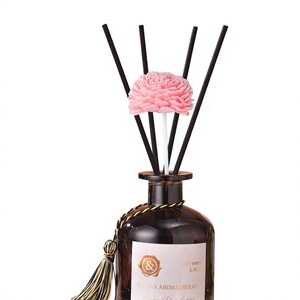
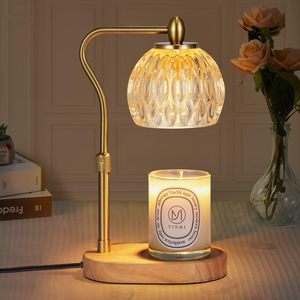
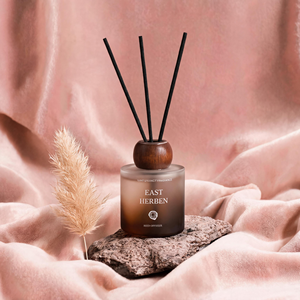
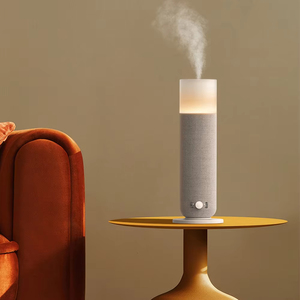
Top brands are expanding beyond standalone candles into holistic fragrance eco-systems. Leading manufacturers offer unified scent lines across soy candles, reed diffusers, room sprays, ultrasonic fragrance oils, and electronic candle warming lamps, ensuring perfect scent matching across all formats.
Key technical and commercial inquiries routinely handled during factory audit and contract negotiation phases:
Standard MOQs typically start at 1,000 to 3,000 units per fragrance/vessel SKU for standard glass jars. For custom-colored glass, custom electroplating, or proprietary vessel molds, MOQs usually range between 3,000 and 5,000 units due to glass factory kiln setup requirements.
Frosting is minimized by adding small percentages (3%–8%) of natural botanical modifiers like coconut wax or hydrogenated palm stearin to stabilize the soy crystal lattice. Furthermore, controlled multi-stage cooling tunnels during automated pouring ensure uniform solidification across all vessel volumes.
For the US, imports require SDS under OSHA GHS, ASTM F2417 (Standard Specification for Candle Fire Safety), ASTM F2179 (Glass Vessel Safety), and CPSIA compliance for packaging. For the EU, products require CLP classification/labeling compliance, REACH SDS, IFRA conformity certificates, and allergen labeling for 26 (expanding to 81) listed fragrance allergens.
Sampling and scent matching generally require 2 to 3 weeks. Once golden pre-production samples and artwork proofs are approved, mass production typically takes 35 to 45 days. Sourcing specialized custom packaging or custom molded glass may add 15 days to the initial production run.
Fragrance oil represents one of the highest raw material cost components in candle manufacturing. Standard retail candles carry a 6% to 8% fragrance load, while luxury collections load between 10% and 12%. Over-loading (exceeding 12%) can cause oil migration, wick clogging, soot production, and potential flame flare-ups if the wick is not correctly re-calibrated.
Whether you are launching a luxury soy candle line, expanding an established hotel amenity range, or seeking cost-optimized OEM manufacturing, our R&D chemists and master perfumers deliver end-to-end precision.