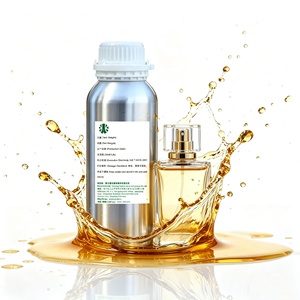
Turnkey Product Portfolio
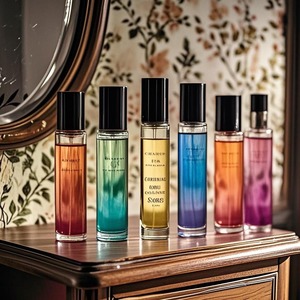
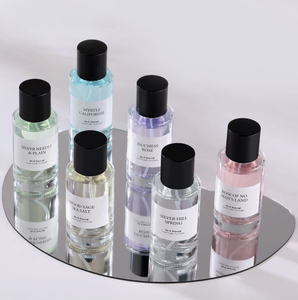
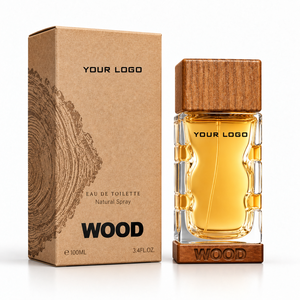
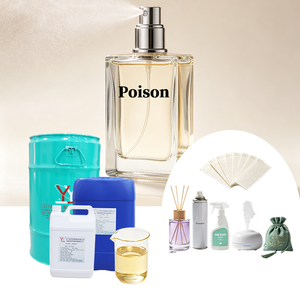
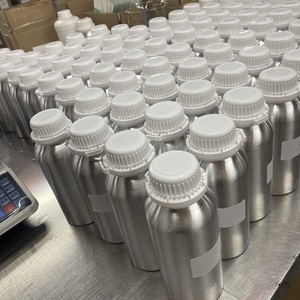
The modern luxury fragrance, home ambiance, and olfactory personal care sectors are undergoing a profound structural evolution. Procurement executives, brand founders, and supply chain directors navigating the competitive landscape of OEM/ODM Fragrance OEM Factories must balance olfactory sophistication with regulatory compliance, landed cost optimization, and speed-to-market. Contracting a dedicated fragrance manufacturing partner is no longer merely an exercise in bulk purchasing—it is a strategic alignment of chemistry, industrial execution, and brand identity.
Contract manufacturing in fine fragrance (Eau de Parfum, Eau de Toilette, Extrait de Parfum) and specialized spatial diffusion (Reed Diffusers, Scented Candles, Room Mists) demands an intimate technical understanding of aromatic compounding, carrier fluid dynamics, maceration timelines, and strict adherence to International Fragrance Association (IFRA) Standards. Modern fragrance ODM solutions extend beyond simple filling to encompass full-spectrum research and development (R&D), olfactory cloning, reverse chemical engineering via Gas Chromatography-Mass Spectrometry (GC-MS), custom primary packaging engineering, and global export certification.
When auditing prospective contract factories, procurement managers frequently encounter standardized marketing claims regarding quality and capacity. However, deep-tier supply chain validation requires evaluating measurable performance metrics across four critical operational verticals:
Proper cold-process maceration (ranging from 14 to 45 days at controlled temperatures of 4°C to 8°C) ensures fragrance aging, crystallization prevention, and seamless harmonization between essential oils, synthetic aroma compounds, and denatured ethanol bases.
Engineering appropriate volatile curves for ambient diffusers using non-VOC glycol ether bases or dipropylene glycol (DPG) balances scent throw radius against product longevity (30, 60, or 90-day diffusion stability).
Direct factory issuance of Safety Data Sheets (SDS) under GHS standards, IFRA 51st Amendment Certificates of Conformity, Toxicological Risk Assessments (TRA), and EU CPNP notifications.
Operating as a premier OEM/ODM manufacturer headquartered in Thailand, Implement Design Associates (IDA) offers global brands a distinct competitive advantage over traditional sourcing hubs in Mainland China or Western Europe. With over 29 years of operational legacy, an expansive 16,000 square meter manufacturing infrastructure, and exports spanning 40+ countries, IDA synthesizes artisanal craftsmanship with high-throughput automated production lines.
Thailand’s unique macroeconomic positioning grants international brand partners favorable export tariffs, low import duties across ASEAN and global Free Trade Agreement (FTA) networks, and an established supply chain of native artisanal raw materials. From hand-carved teak caps and sustainable rattan reeds to bespoke ceramic vessels and locally harvested botanical extracts, brands can infuse authentic luxury storytelling into their product lines while maintaining highly competitive landed unit costs.
Strategic geographic location provides seamless tax-advantaged export pathways to North America, the European Union, Australia, and the Middle East, mitigating trade barriers and punitive tariffs.
Staffed by senior cosmetic chemists and master perfumers capable of developing non-yellowing, phthalate-free, vegan, and cruelty-free fine fragrance oils and home fragrance bases.
Direct integration of high-grade Thai ceramic, turned mango wood, hand-blown glass, and natural rattan elements into custom ODM product packaging architectures.
Quality assurance at our primary production facilities in Bangkok and Chon Buri adheres to strict AQL 1.0/2.5 inspection parameters. Raw materials undergo Gas Chromatography testing upon intake to verify ester values, specific gravity, and refractive index consistency. Finished goods undergo rigorous stress testing, including multi-axis carton drop tests, 55°C heat-chamber stability trials, vacuum leak testing for fine-mist pumps, and flame-height/soot-density evaluation for custom candle formulations.
To capture market share in an increasingly fragmented retail environment, brand owners must anticipate shift vectors across consumer preferences and chemical regulations. The global fragrance industry is transitioning from passive vanity consumption toward functional, sustainable, and technologically enhanced olfactory experiences.
Consumers are demanding total transparency regarding fragrance ingredients. The rise of Clean Perfumery requires contract factories to eliminate phthalates, parabens, polycyclic musks (such as Galaxolide), and synthetic nitro-musks. Concurrently, neuro-fragrance—scents formulated using fMRI-backed olfactory research to induce relaxation, heighten focus, or improve sleep quality—is becoming a dominant product category in wellness and spa retail networks.
Procurement trends indicate a massive shift toward bio-based solvents, upcycled botanical side-products (such as distilled wood pulp cedar byproducts or upcycled rose water distillates), and 100% plant-derived waxes (soy, coconut, and rice bran wax blends replacing traditional paraffin). OEM/ODM factories capable of providing certified RSPO (Roundtable on Sustainable Palm Oil) and FSC-certified packaging options present immediate compliance advantages for international corporate buyers.
Advanced chemical engineering now allows for water-based, alcohol-free fine fragrances utilizing cold-process micro-encapsulation. These microscopic lipid or polymeric shells encapsulate aromatic oils, protecting them from rapid oxidation and releasing scent sequentially over a 48-hour wear cycle upon skin friction. This technology opens new vistas for daily-use personal sprays, sensitive-skin body mists, and luxury hotel linen treatments.
Supply chain disruptions over recent years have forced enterprise buyers away from mega-factory reliance toward agile manufacturing hubs capable of rapid pilot sampling (2 to 4 weeks) and compressed production cycles (4 to 8 weeks). Modern fragrance contract manufacturing requires modular filling lines that handle small-batch niche luxury launches alongside high-volume mass-market retail runs.
Partner with Thailand's leading OEM/ODM fragrance manufacturer. Request our complete product catalog, master scent library, and factory capability dossier today.