Engineered for the discerning Japanese aesthetic. Manufactured in ISO 22716 & GMP-certified facilities with full IFRA and PMDA compliance.
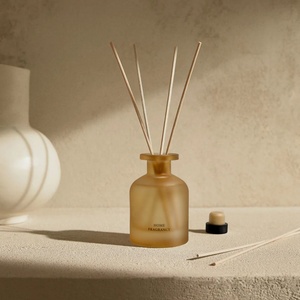
Subtle, slow-evaporating essential oil blends tailored for compact Japanese living spaces (LDK). Features high-density porous rattan sticks.
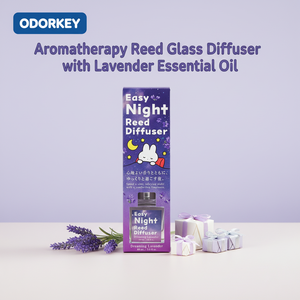
Targeted for the Japanese functional wellness market. Non-toxic, zero-VOC carrier base blended with pure French lavender botanical extracts.
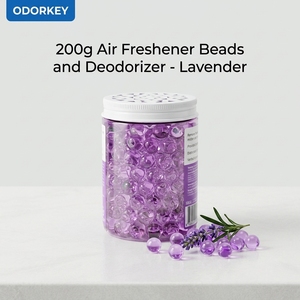
High-efficiency active deodorizing matrix designed for Japanese automotive interiors, Genkan entryways, and space-conscious bathrooms.
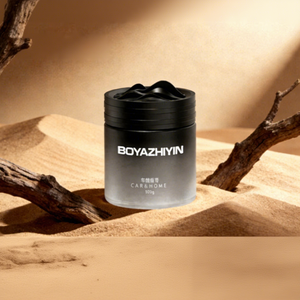
Large-capacity atmospheric fragrance system optimized for luxury Japanese Ryokans, hotel lobbies, and high-traffic commercial venues.
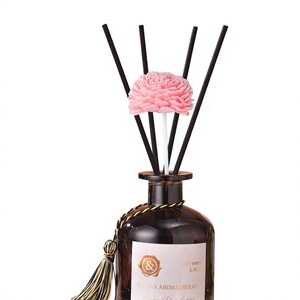
Custom gift-ready packaging designed for Japanese seasonal gifting culture (Oseibo / Ochugen). Premium floral aesthetic with 90-day diffusion.
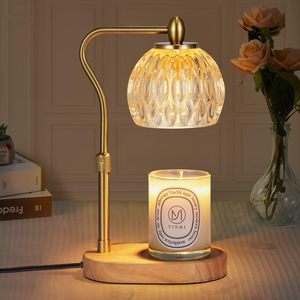
Flame-free aromatic warming system. Highly sought-after in Japan for safe, smokeless scent release in wooden structures and micro-apartments.
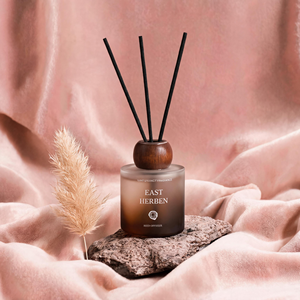
Minimalist Wabi-Sabi luxury styling. Heavy-base frosted vessel paired with sustainably harvested natural walnut wood accents.
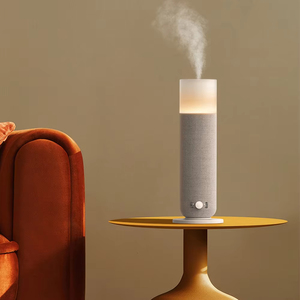
Waterless cold-air atomization technology. Operating under 30dB, ideal for quiet Japanese home offices, bedrooms, and personal vehicles.
Operating from Thailand's premier industrial hub with strategic tariff benefits for Asian, European, and North American import markets.
The Japanese olfactory market requires a delicate synthesis of subtle aromatic profiles, high safety parameters, and refined minimalist packaging.
Unlike Western markets that often favor aggressive scent throw, Japanese consumers prefer Kōsui-nikui (non-intrusive) lingering subtlety. Formulations must maintain an even release curve within compact urban footprints without causing olfactory fatigue or sensory overload.
There is rapid expansion in functional aromatics—specifically fragrances targeted at sleep optimization (Nemuri-katsu), stress alleviation, and atmospheric purification. Natural Hinoki wood, Yuzu citrus, Kuromoji, and French Lavender rank highest in consumer preference.
Japanese sustainability values enforce strict reduction of single-use components. Private label brands must offer pouch-based eco-refills, recyclable glass vessels, and natural rattan or wood reeds to align with consumer expectations and retail ESG benchmarks.
How specialized OEM formulations integrate seamlessly into everyday Japanese living and commercial spaces.
The entryway is the primary impression zone in Japanese homes. Compact 50ml–100ml diffusers with quick-wicking fiber reeds deliver an immediate, clean scent profile while neutralizing footwear odors without overpowering micro-corridors.
Open-plan living space demands multi-layered odor containment. Gel-based neutralizers paired with elegant frosted glass diffusers create a balanced atmosphere that absorbs cooking smells while maintaining a subtle background botanical aroma.
500ml high-capacity diffusers and flame-free electric wax warmer lamps provide safe, continuous ambient scenting across tatami suites and spa relaxation lounges without smoke residue or fire hazards.
Solid gel deodorizers and whisper-quiet portable nebulizers fit standard Japanese cupholders, providing constant odor control during commuter drives and delivery operations across congested metropolitan areas.
Exporting to Japan requires absolute batch consistency, toxicological safety, and tariff efficiency. Here is how our OEM infrastructure supports your supply chain.
| Evaluation Parameter | Standard OEM Suppliers | Our Thailand OEM/ODM Facility | Advantage for Japan Buyers |
|---|---|---|---|
| Tariff Structure (JPEPA / RCEP) | Standard MFN Tariff Rates (5% - 10%) | 0% - Reduced Preferential Tariff Rates | Significantly lower landed costs at Japanese ports. |
| Fragrance Compliance | Basic Regional Testing | Full IFRA (51st Amendment) & PMDA Standards | Guaranteed market entry with zero customs detention. |
| Quality Control Protocol | Standard AQL 2.5 Spot Inspection | Strict AQL 0.65 Major / 1.0 Minor Level Inspection | Near-zero defective rate suited for Japanese retail shelves. |
| Carrier Formulation | High VOC / Alcohol Solvent Base | Bio-Based, Non-Toxic, Zero-VOC Solvents | Odors evaporate evenly without harsh chemical fumes. |
| Leak-Proof Packaging | Standard Screw Cap Seals | Induction Heat Seals & Vacuum Transit Tested | 100% protection during sea and air freight transit. |
From initial aromatic concept to finalized export documentation, we function as your direct production partner in Southeast Asia.
Our experienced formulation chemists synthesize custom fragrance oils, optimizing flash points, cold throw, hot throw, and evaporation curves to align exactly with your target price point and performance metrics.
We provide complete Safety Data Sheets (SDS), IFRA Conformity Certificates, and Heavy Metal / VOC Analysis Reports required by Japanese customs authorities, removing import friction entirely.
Leveraging Thailand’s robust logistics network, we coordinate primary container sourcing, custom mold manufacturing, secondary gift box assembly, and export freight booking under FOB, CIF, or DDP terms.
Answers to crucial B2B questions regarding manufacturing minimums, regulatory documentation, and production timelines.
Our standard production MOQs start at 1,000 to 3,000 units per SKU for standard glass bottles and catalog formulations. For fully customized vessel shapes, custom electroplating, or bespoke gift box packaging, MOQs generally start at 5,000 units depending on component sourcing requirements.
We work exclusively with IFRA-compliant fragrance compounds and bio-based solvents that contain zero restricted substances under Japan's Chemical Substances Control Law (CSCL). Full CAS number disclosures, SDS sheets, and allergen declarations are generated prior to production to guarantee seamless import clearance.
Yes. Our perfumery team specializes in authentic Asian botanical accords, including Japanese Hinoki cypress, Yuzu citrus, Green Tea, Kuromoji, and Sakura blossom. We can match target scent benchmarks or engineer exclusive signature scents reserved exclusively for your brand.
Sampling and formulation approval take approximately 2 to 3 weeks. Once samples and artwork are approved, mass production requires 30 to 40 days. Sea freight transit from Bangkok / Laem Chabang port to major Japanese ports (Tokyo, Yokohama, Osaka) takes approximately 10 to 14 days.
Yes. We offer FSC-certified paper secondary packaging, soy-based ink printing, recycled glass bottles, biodegradable gel bases, and natural wood or rattan diffuser sticks to support sustainable brand positioning in the Japanese market.
Every liquid product undergoes negative pressure chamber vacuum testing, heat-induction foil sealing, and torque-controlled cap tightening. Cartons undergo standard ISTA drop testing to ensure zero breakage or leakage during transit.
Partner with an experienced OEM/ODM contract manufacturer. Request custom samples, factory pricing schedules, or detailed technical specifications today.
Get a Quote