
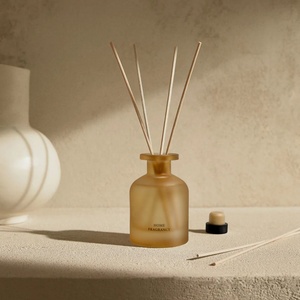
Engineered specifically for high thermal stability, prolonged cold-air diffusion, and luxury aesthetic appeal, our product catalog fulfills Riyadh’s commercial and private label demand.
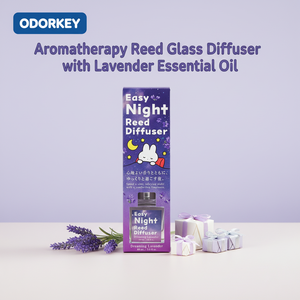
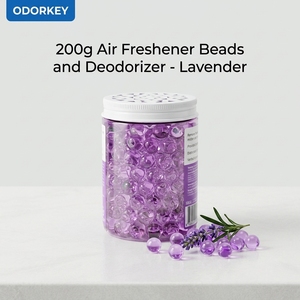
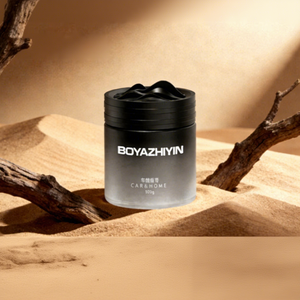
The Kingdom of Saudi Arabia, spearheaded by the ambitious architectural and economic mandates of Saudi Vision 2030, is undergoing a profound transformation in modern retail, luxury hospitality, and high-end residential infrastructure. Central to this transformation in Riyadh is the strategic application of olffactory branding and corporate fragrance design. Scent is no longer viewed as a mere decorative afterthought; it is an executive marketing pillar that shapes customer perception, extends dwell times in commercial venues, and establishes spatial identity across mega-developments like the King Abdullah Financial District (KAFD), Diriyah Gate, and ultra-luxury boutique hotels across the capital.
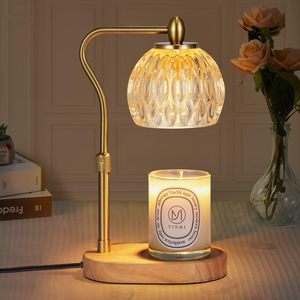
Historically, the Gulf Cooperation Council (GCC) market relied primarily on traditional burning incense (Bakhoor and Oud chips) alongside heavy concentrated perfume oils (Attars). While these heritage scents remain culturally vital, modern architectural requirements—such as continuous air-conditioned spaces, intelligent HVAC filtration systems, and strict corporate indoor air quality (IAQ) regulations—demand precise, automated, and safe liquid-diffusion technologies. This structural shift has created immense demand for top-tier China scent creation factories capable of formulating heavy-note, high-stability fragrance matrices (incorporating natural Oud, Amber, Taif Rose, and French Floral top notes) delivered via micro-nebulization systems, high-throw reed diffusers, and flameless wax heating apparatuses.
“Scent architecture in hot, dry climates requires a fundamental shift in chemical engineering. Standard European or East Asian formulations rapidly evaporate or breakdown under intense ambient air conditioning. OEM manufacturing for Riyadh demands high-flashpoint carrier matrices and dense fixative profiles.”
For Saudi procurement directors, private label brand owners, and hospitality supply-chain managers, identifying qualified manufacturing partners in China is a strategic priority. The optimal supplier must combine deep chemical formulation R&D with comprehensive regulatory expertise—navigating SASO (Saudi Standards, Metrology and Quality Organization) compliance, SFDA (Saudi Food and Drug Authority) cosmetic and ambient scent notifications, and international IFRA (International Fragrance Association) safety guidelines. This white paper examines the technological requirements, localized trends, and strategic OEM capabilities required to successfully supply Riyadh’s burgeoning ambient scent market.
Providing fragrance solutions to Riyadh requires an intimate understanding of the region's unique spatial mechanics, indoor environmental controls, and cultural scent preferences. Below are the primary deployment scenarios where optimized China OEM scent products deliver maximum commercial impact:
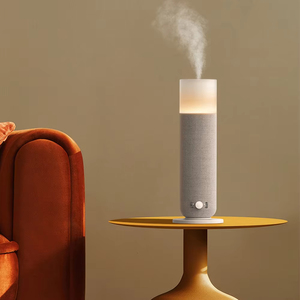
In high-footfall spaces such as Al Nakheel Mall, Centria Mall, and Riyadh's 5-star hotel lobbies, maintaining consistent scent density across 10,000+ cubic meters is paramount. Our high-capacity 500ml auto-diffusers and HVAC cold-air mist nebulizers utilize micro-droplet technology (<5 microns) that remains airborne longer without settling on polished marble floors or luxury fabrics.
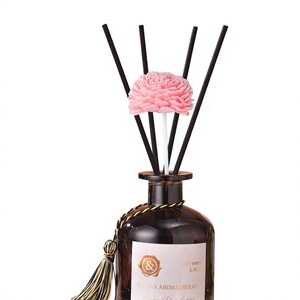
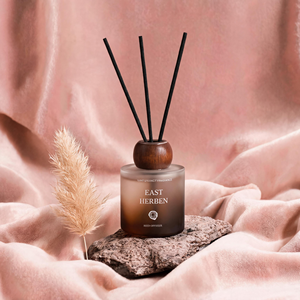
Riyadh's affluent residential sector favors high-end matte frosted glass reed diffusers featuring walnut wood accents and botanical dried flowers. These products serve as interior design centerpieces while continuously off-gassing soothing lavender, ebony wood, and white amber notes across sprawling residential floorplans without requiring electric power.
Vehicles operating in Riyadh face thermal environments where interior cabin temperatures frequently exceed 60°C (140°F) during summer months. Standard liquid diffusers leak or break down instantly under these conditions. Our 200g eco-friendly solid gel air fresheners and high-viscosity essential oil capsules are chemically stabilized to prevent phase separation and provide reliable performance for up to 90 days.
Successful private label deployment in Saudi Arabia requires aligning scent profiles with local consumer psychology. Modern Saudi consumers possess a highly sophisticated fragrance vocabulary; they demand heavy oriental richness balanced by modern western clarity. Key emerging formulation trends include:
Below is a technical evaluation of how custom-engineered scent products compare against standard off-the-shelf commodity manufacturing:
| Performance Parameter | Standard Commodity Supplier | Riyadh-Grade OEM Scent Creation (Our Factory) |
|---|---|---|
| Carrier Matrix & Evaporation Rate | High-alcohol or water-thin solvents; dissipates rapidly within 15–20 days in arid climates. | Slow-release glycol-ether / dipropylene glycol ester matrix; engineered for 60–120 days of linear scent throw. |
| Fragrance Concentration (Dosing) | 3% – 8% low-grade synthetic oil load. | 15% – 25% ultra-concentrated premium IFRA-compliant fragrance oil compound. |
| Thermal Stability Threshold | Separates or turns turbid above 35°C; susceptible to UV discoloration. | Thermally validated up to 60°C; UV-stabilized to prevent yellowing in clear glass packaging. |
| Regulatory & Export Compliance | Generic MSDS; lacks SASO / SABER platform documentation. | Full SASO CoC support, SFDA registration readiness, IFRA Certificates, SDS & Allergen Declarations. |
| Customization Depth | Fixed stock bottles and standard synthetic fragrances. | Complete bespoke scent matching, custom glass mold creation, laser engraving, and custom wood caps. |
With over 29 years of OEM & ODM manufacturing experience (established in 1996), our facility spans a 16,000 m² integrated production zone equipped with state-of-the-art automatic liquid filling lines, high-precision fragrance blending reactors, and an in-house chemical analytical laboratory.
Our research team comprises senior cosmetic chemists and master perfumers skilled in gas chromatography-mass spectrometry (GC-MS) analysis. We reverse-engineer reference scents, optimize throw radius, and tune fragrance release curves specifically for target micro-climates.
Every batch undergoes multi-stage quality control based on AQL 0.65/1.0 standards. This includes leak testing under negative pressure vacuum conditions, high-temperature incubator stability testing (50°C for 30 days), and carton drop-impact trials for long-distance ocean freight.
Having shipped over 100,000 SKUs to more than 40 countries, we maintain dedicated export management teams fluent in Saudi Arabia customs procedures. We handle dangerous goods (DG) packing declarations for liquid perfumes, palettization, and ocean/air freight scheduling directly to Dammam Port, Jeddah Islamic Port, or King Khalid International Airport in Riyadh.
We provide complete technical dossiers required for SABER platform registration, including Product Certificates of Conformity (PCoC) and Shipment Certificates of Conformity (SCoC). Additionally, we issue full Material Safety Data Sheets (MSDS in English and Arabic), IFRA Compliance Certificates, Heavy Metal Test Reports, and Micro-biological Analysis Reports required for SFDA notification.
Yes. Our perfumery lab specializes in regional olfactory matching. You can send us a physical benchmark sample or a scent brief specifying target accords (such as Royal Amber, Musk, Aged Oud, or Taif Rose). Our chemists analyze the profile using GC-MS technology and recreate the scent tailored for high diffusion performance in liquid or gel carriers.
MOQs vary depending on the level of customization. For standard stock glass vessels with custom silk-screened logos or custom outer gift boxes, MOQs generally start at 1,000 to 3,000 units per SKU. For fully custom glass mold development or unique cap designs, MOQs typically start at 5,000 to 10,000 units.
All our export formulations undergo rigorous thermal stability testing. We place finalized samples inside controlled environmental chambers at 50°C (122°F) for 30 consecutive days to ensure no phase separation, cloudiness, or chemical degradation occurs during transit across the Red Sea or during warehouse storage in Saudi Arabia.
Scent formulation matching and sample dispatch typically take 7 to 14 days. Once golden samples and packaging artwork are approved, mass production requires 30 to 40 days depending on component sourcing. Sea freight transit from China ports (Ningbo/Shanghai/Shenzhen) to Saudi ports takes approximately 18 to 25 days.
Partner with an established China scent creation powerhouse with 29+ years of manufacturing expertise. Contact our international engineering and project team today to request sample kits, custom fragrance quotes, or technical compliance consulting.